AI-generated illustration
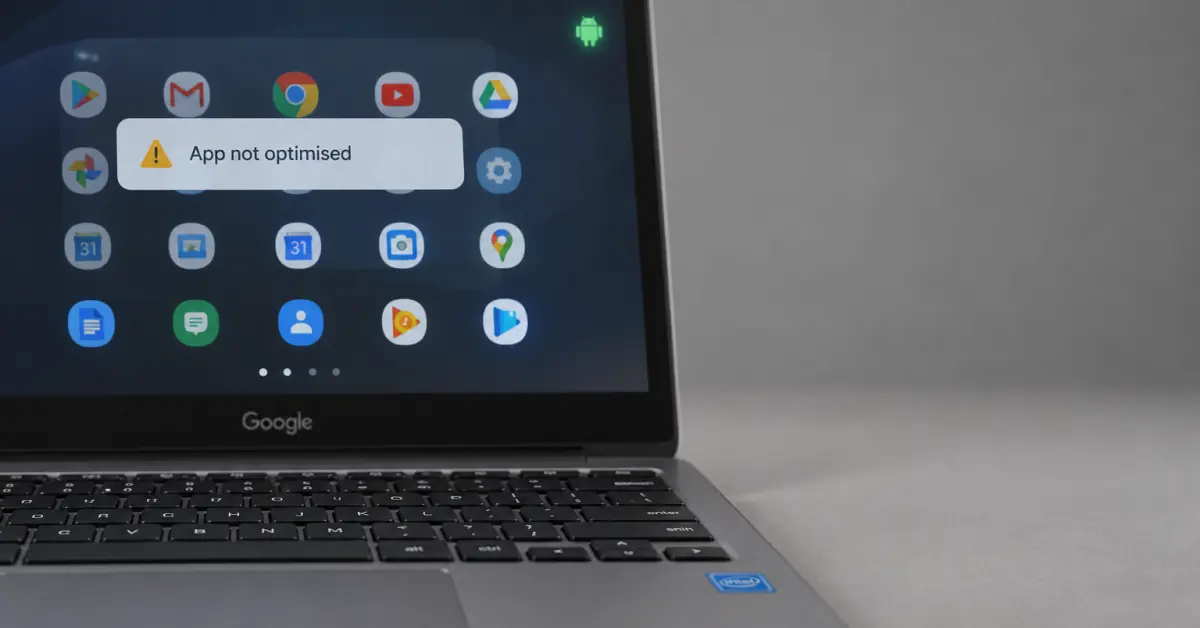
Google has acknowledged that several Intel Googlebooks face performance issues when running select Android applications. The admission came on the official launch day of the new laptop lineup. While the company previously highlighted that these systems offer full access to the Google Play Store, certain software titles require additional optimization to operate smoothly.
Hardware Differences in Intel Googlebooks
Of the five new laptop models released to the market, three devices run on x86 processors. Specifically, models from Acer, Asus, and Lenovo utilize x86 hardware architecture. Meanwhile, competing units from Dell and HP feature Qualcomm Snapdragon chips built on Arm architecture, which aligns more directly with mobile app code.
According to reporting by The Verge, Google confirmed that most applications will still function without manual intervention across both platforms. However, complex programs and demanding mobile games require developer tuning to reach optimal performance on x86 hardware. Users can check updates in the apps catalog as developers release performance patches.
The Technical Root of the Performance Gap
Most mobile applications available today were designed specifically for Arm architecture. When these programs run on traditional x86 architecture, the underlying system must translate the instructions. This translation layer can introduce latency or visual stutter in graphics-heavy software and complex utilities.
Consequently, laptops utilizing Qualcomm processors offer more natural binary compatibility with standard mobile software. Shoppers evaluating the latest computers must weigh this factor when choosing between chip designs. The distinction directly impacts users who rely heavily on mobile tools for daily productivity.
Collaborative Optimization Efforts
Google stated that it is actively collaborating with software creators, Intel, and Qualcomm to address these technical hurdles. The goal is to expand smooth compatibility across the entire device portfolio over time.
“Because many Android apps were originally designed for Arm chips, a small handful of complex apps or games need some developer tuning to run their best on Intel-based platforms.”
Google Statement to Android Authority
Furthermore, the company has not published a specific list of affected titles or disclosed the exact number of impacted applications. As a result, users running demanding tasks on Intel Googlebooks may encounter occasional slowdowns until developers issue targeted software updates.
Market Outlook and Device Selection
The introduction of these laptops marks a notable shift in the broader computing segment. Buyers looking for seamless integration with their existing mobile devices should consider processor architecture before purchasing. While Qualcomm models provide direct compatibility, Intel models will continue to receive software improvements in upcoming release cycles.