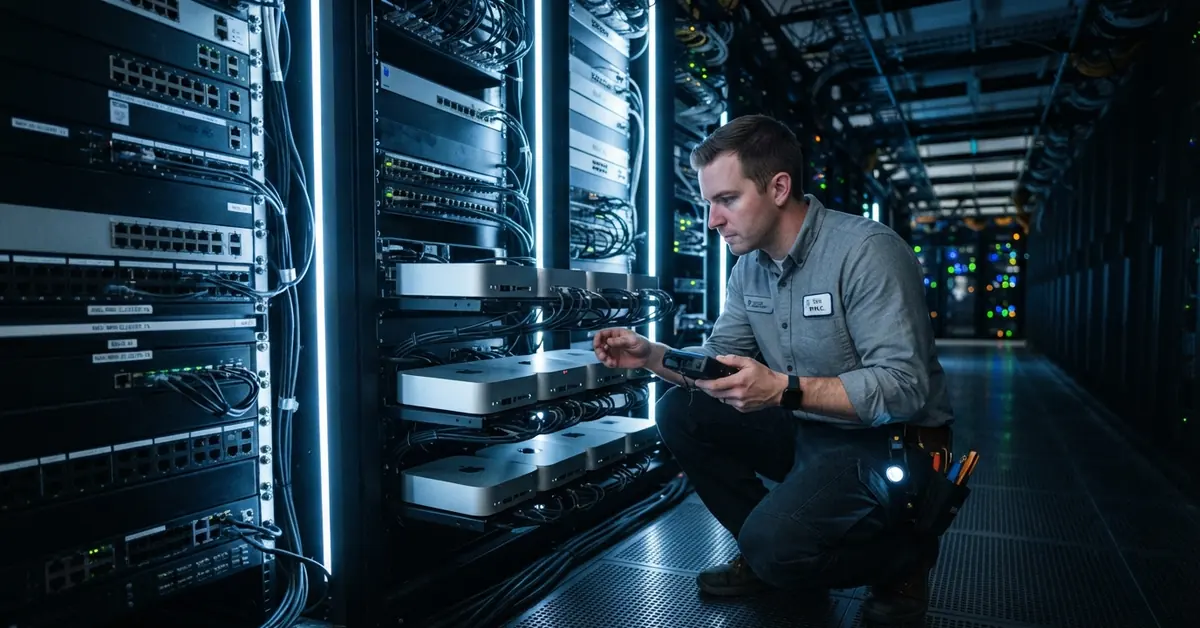
Apple AI servers powered by M8 Ultra processors may launch by 2029 as the company considers returning to the enterprise hardware market, according to Ars Technica. The planned devices would represent Apple’s first dedicated server release since the retirement of the Xserve rackmount line in January 2011. If the project moves forward as outlined, it would signify Apple’s formal return to enterprise data center equipment after more than a decade of focusing primarily on consumer hardware.
Enterprise Configurations and Hardware Plans
The proposed server machines will come in two hardware configurations, featuring either two or four future M8 Ultra processors per unit to deliver scalable performance. Project development began roughly one year ago with organizational support from John Ternus, who served as hardware engineering lead before succeeding Tim Cook as chief executive officer on September 1, 2026. Furthermore, these machines aim to capture enterprise demand generated by rapid developments and computational requirements in artificial intelligence.
Developer Demand for Apple Silicon
Developer adoption of existing Mac desktop systems has played a major role in driving internal interest in a dedicated enterprise server product. High-profile companies such as OpenAI have purchased tens of thousands of Mac mini and Mac Studio desktop units to train agents through reinforcement learning methods. Meanwhile, Anthropic has accessed Mac mini hardware through computers hosted on Amazon Web Services cloud infrastructure, demonstrating that major developers are actively deploying Apple silicon in enterprise workflows.
Apple AI Servers and NVIDIA Networking
To connect multiple processors within the systems, Apple has held discussions regarding the use of NVLink Fusion data center technology from NVIDIA. While Apple recently started using NVIDIA hardware to support server infrastructure for Siri, the final server product could launch without third-party interconnects or face significant project changes before release. Consequently, the commercial viability and enterprise adoption of Apple AI servers may depend heavily on these networking decisions and inter-chip communication architectures.
Supply Chain and Memory Factors
The server initiative also faces broader hardware industry pressures, particularly an ongoing shortage of memory chips. Massive data center demand has elevated component costs across consumer electronics, including smartphones and gaming devices. However, the planned launch timeline remains several years away, given that Apple announced its M6 processor generation in August 2026. This multi-year roadmap indicates that Apple has ample time to assess supply conditions before bringing the new hardware to the enterprise market.