European consumers welcome algorithmic assistance for research, but 69% draw the line at delegating AI purchases to autonomous software, according to a research note published by digital identity company Signicat. The study examined attitudes toward automated commerce across nine European markets ahead of peak retail shopping periods.
Consumer Resistance Toward AI Purchases
The study found that 65% of surveyed shoppers welcome artificial intelligence assistance for structured tasks. These activities include searching for product specifications, filling online forms, and comparing retail options. However, that acceptance drops sharply when algorithms handle financial transactions directly.
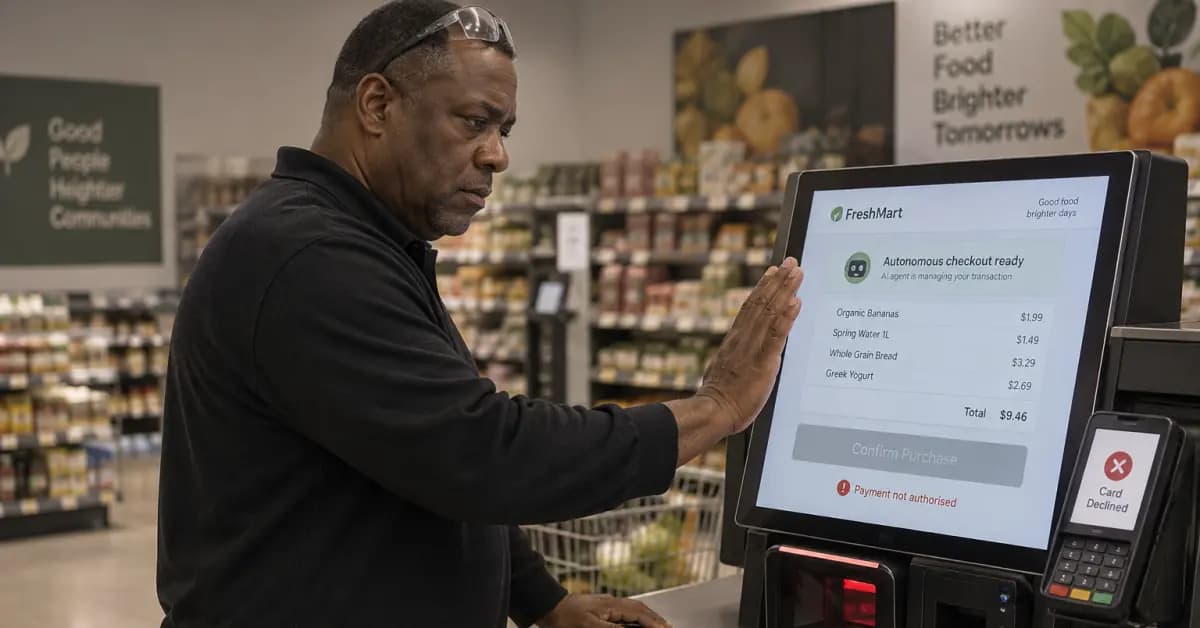
According to the note, only 19% of respondents expressed trust in automated systems to execute small, low-value transactions. That figure fell to 8% when consumers evaluated high-value transactions. Consequently, shoppers prefer automated assistance to remain strictly advisory during the digital checkout process.
Demand for Manual Control and Approvals
The survey data revealed clear structural requirements from users when interacting with automated systems. When asked about artificial intelligence opening financial products, 39% of consumers insisted on retaining final manual approval. In addition, 32% stated they require the ability to override automated actions at any stage.
“Customers want a copilot, not an autopilot. Consumers are clearly open to AI making their lives easier. But there’s a big difference between asking AI for help and giving it the authority to act on your behalf.”
Emma Bauer, Chief Product Officer at Signicat
Emma Bauer, Chief Product Officer at Signicat, explained in the note that control remains the central requirement when spending funds, using identity credentials, or approving legal agreements. Retailers and payment providers face the practical operational challenge of defining precise boundaries for what automated systems can perform.
Fraud Pressures and Identity Verification
The push toward automated commercial interaction unfolds against severe security conditions across the economy and retail sector. In the note, the author cited prior industry findings where 67% of payment and fintech companies registered increases in identity fraud attempts, alongside growing misuse of automated tools by criminal actors.
Consequently, financial technology platforms must establish strict user authentication protocols. Industry providers must clearly confirm who initiates each transaction, define authorization parameters, and ensure that shoppers deliberately confirm significant steps in software applications.
Study Parameters and Retail Outlook
The underlying survey was conducted online by Sapio Research in August 2026. The sample gathered responses from 4,050 consumers with active bank accounts and 450 corporate compliance decision-makers across Denmark, Finland, France, Germany, the Netherlands, Norway, Spain, Sweden, and the United Kingdom.
Bauer wrote in the note that automation will handle product comparisons and deal discovery during upcoming shopping cycles. However, broad commercial adoption of AI purchases remains conditional on giving users total administrative control over final settlement decisions.