

The Nvidia leadership controversy intensified this week after reports revealed that chief executive Jensen Huang may have been targeted by a foreign intelligence operation. In response to these claims, the semiconductor company launched an independent investigation into the matter. The board confirmed that corporate data remains secure while reiterating full confidence in senior management.
Company shares fell more than 3% in out-of-hours trading immediately following the disclosure. Investors showed immediate concern regarding governance and potential reputational risks, given Huang’s prominent standing in the hardware sector. However, company representatives clarified that underlying market demand for products related to AI computing has not changed.
Details of the Nvidia Leadership Controversy
Daniela Hathorn, senior market analyst at Capital.com, noted that the situation creates uncertainty during a delicate market phase. Capital markets have shown a fragile recovery, with Asian equities rebounding slightly alongside US futures. Despite the initial bounce, leadership questions introduce new volatility into the broader computers and semiconductor supply chain.
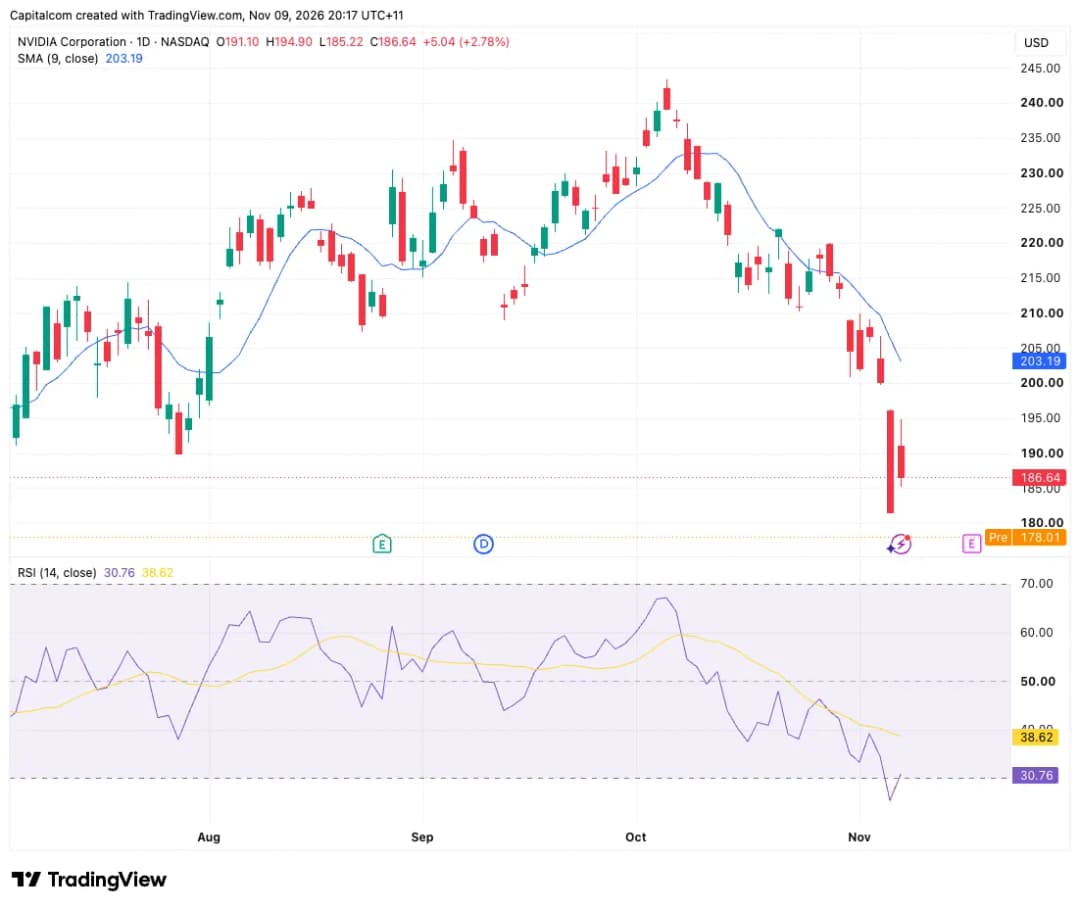
“Given Huang’s central role in Nvidia’s success and in the wider AI investment narrative, even speculation about leadership uncertainty could unsettle investors.”
Daniela Hathorn, Senior Market Analyst at Capital.com
Broader Economic Pressures on Equities
Technology valuations face headwinds from monetary policy expectations in the United States. Recent employment data showed the addition of 165,000 jobs, exceeding initial forecasts and signaling economic resilience. As a result, the probability of another Federal Reserve interest rate increase in December reached roughly 80%.
Investors are monitoring upcoming consumer price index figures, which will dictate policy direction into 2027. Higher inflation could increase Treasury yields and restrict capital flows into the economy, limiting corporate expansion. Conversely, moderation in inflation could provide much-needed breathing room for technology stocks.
Commodity Markets and Risk Assets
Shifts in global commodities also reflect changing investor sentiment across international exchanges. Crude oil prices slipped below $100 per barrel amid potential diplomatic developments between the United States and Iran. This price drop could soften inflationary pressures for net energy importers.
Meanwhile, gold prices recovered toward $4,120 per ounce, indicating persistent defensive hedging among fund managers. Financial participants continue balancing corporate risks against global macroeconomic indicators during this trading cycle.
Outlook for Sector Stability
Market observers stress that there is no formal indication that Huang will vacate his position at this time. The ongoing Nvidia leadership controversy serves as a reminder of national security scrutiny surrounding advanced computing executives. For now, market participants await further findings from the internal probe and the impending inflation report.