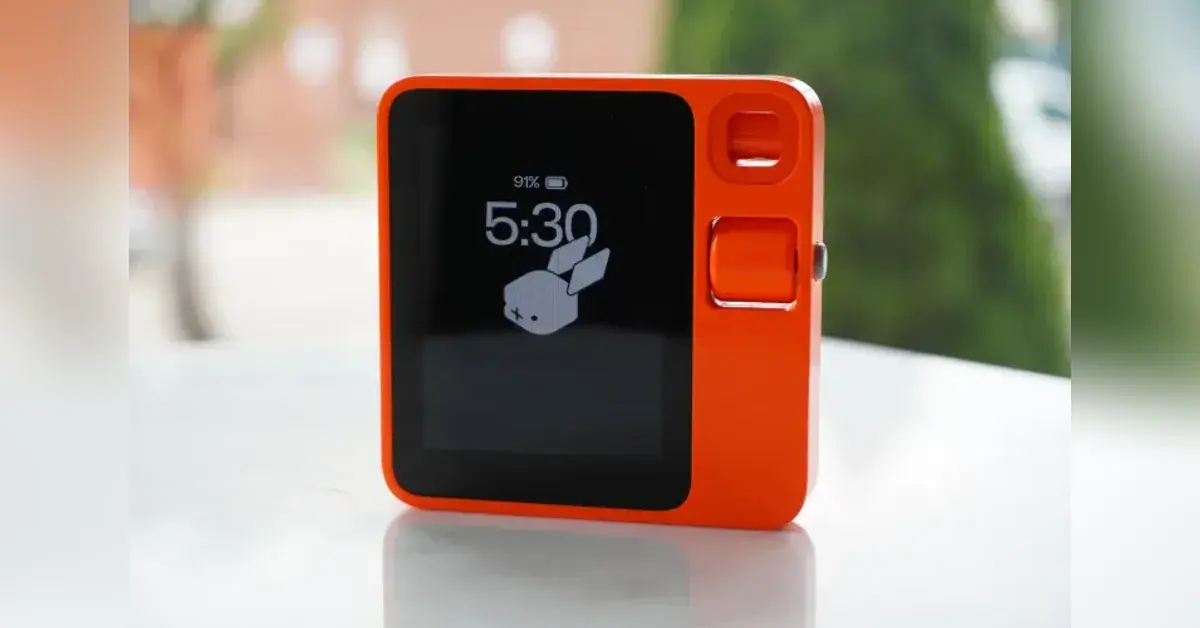
Image: David Pierce / The Verge
Rabbit OS3 launched as a standalone software agent designed to execute tasks across personal computers and mobile devices without requiring dedicated gadgets. The system marks an operational pivot for the technology startup, shifting focus toward software integration across Windows, Mac, and Linux environments.
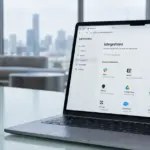
The announcement follows reporting by The Verge, detailing how the software operates through local nodes while using cloud infrastructure. Users can connect up to five separate machines under a single account. The software automatically coordinates local files, open desktop programs, and model inputs to execute complex multi-step workflows.
Core Architecture of Rabbit OS3
The underlying software relies on Direct Large Action Model architecture, which allows local script execution and automated coding. Instead of charging a recurring subscription fee, the developer implements a Bring Your Own Key model. Consequently, users connect their personal API credentials from major artificial intelligence vendors or configure open-source models locally.
Interaction happens inside a continuous single-stream chat interface rather than isolated conversation threads. Furthermore, users can paste external tool links directly into the window to install third-party automation skills without manual configuration steps.
Hardware Strategy and Device Transition
Rabbit founder Jesse Lyu confirmed that production of the original R1 handheld unit has stopped entirely. Current owners can still use existing R1 units as input and output terminals for the new software. Meanwhile, the company is preparing a specialized machine called a cyberdeck, intended specifically for vibe coding within the next few months.
Lyu stated that the startup delivered over 100,000 original units worldwide with return rates under five percent. Despite early hardware criticism, the business maintains a lean structure of 15 employees following roughly 60 million dollars in venture funding.
Integration Across Messaging Channels
Users can access the platform through standard desktop web browsers or connected apps such as Telegram and iMessage. For example, sending a quick chat prompt from a mobile phone triggers automated spreadsheet edits on a linked office desktop. In another documented test, the agent managed a 50-minute technical conversation on Slack by accessing reference files stored on a host computer.
Security policies dictate that personal files remain stored on local hard drives rather than remote databases. Nevertheless, query logs and persistent conversation memories reside on company servers, while external providers process reasoning prompts under their respective privacy terms.
Market Context and Industry Shift
The broader technology sector has seen increased competition surrounding automated digital assistants. Major firms such as Amazon and META continue developing autonomous agents to handle complex customer interactions and web navigation. By providing an open agent structure across existing screens, Rabbit aims to maintain relevance without relying on proprietary pocket hardware.