
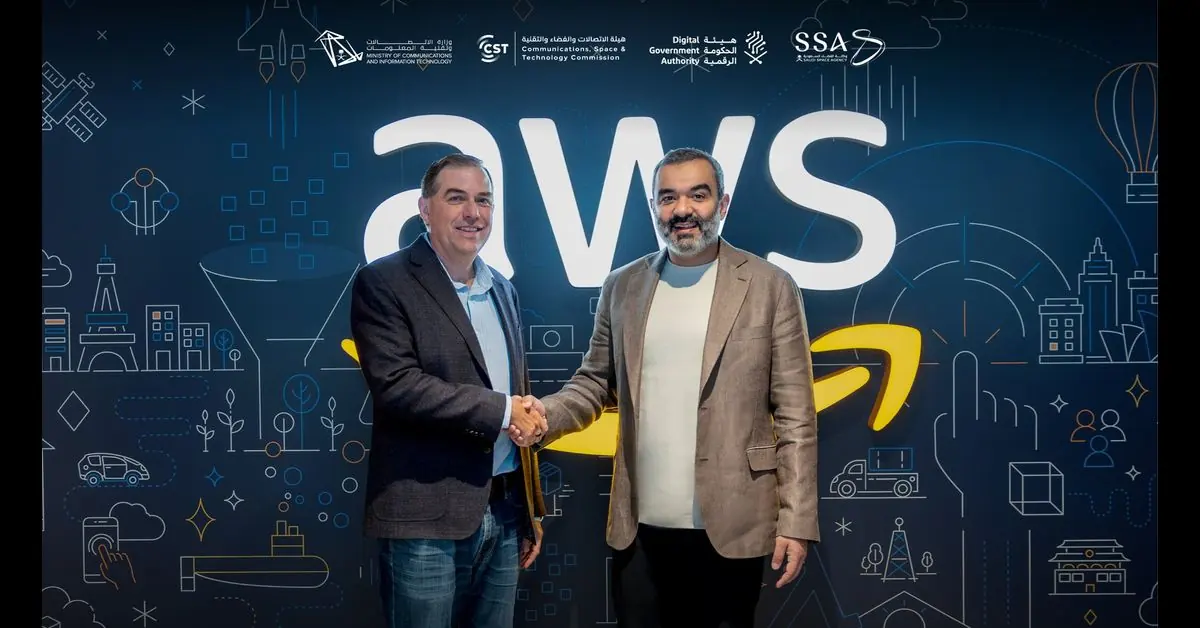
Saudi Arabia continues expanding its national AI infrastructure through international technological partnerships. His Excellency Abdullah Alswaha, the Saudi Minister of Communications and Information Technology, met with AWS Chief Executive Officer Matt Garman in Seattle to discuss new computing projects. The meeting addressed practical steps to advance advanced cloud computing capabilities across the Kingdom.
Expansion of AI Infrastructure and Computing Projects
During the official discussions, both parties reviewed strategic plans to accelerate computing power. Specifically, the talks focused on speeding up the execution and expansion of the AI Zone in Saudi Arabia. The initiative aims to provide essential compute capacity for developers and institutions working in artificial intelligence.
Collaboration on Advanced Compute Technologies
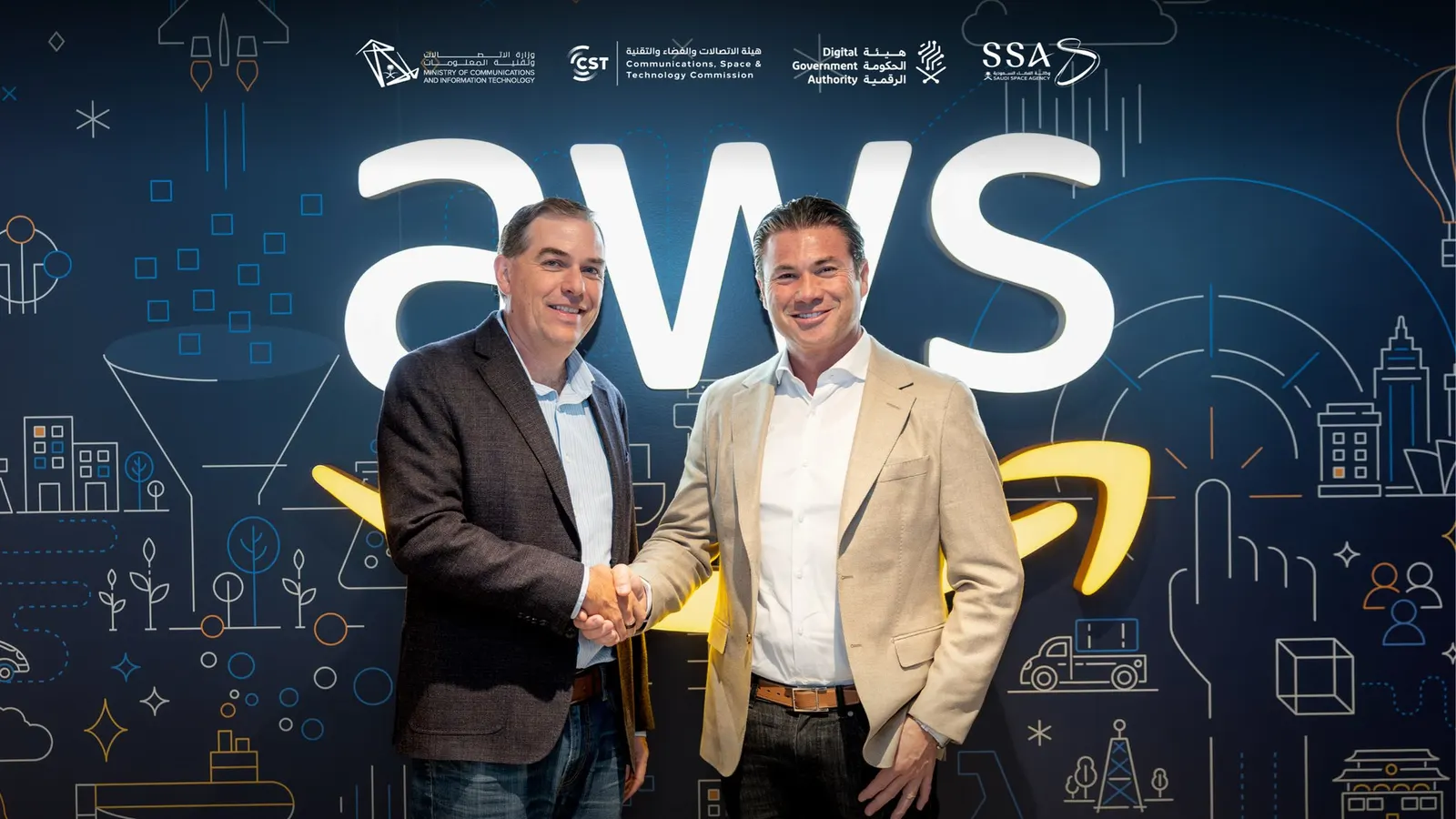
The discussions in Seattle highlighted technical cooperation involving high-performance hardware such as Trainium chips. These specialized processors support heavy machine learning workloads and reduce operational latency. Moreover, the partnership builds on ongoing initiatives with entities including HUMAIN to support local digital programs and cultivate technical readiness across research communities.
Strategic Objectives for the Digital Economy
Expanding local compute hubs directly supports Saudi national objectives for economic diversification. In addition, strengthening technical ties with global cloud providers supports the broader economy by attracting foreign enterprise investments. Reliable digital systems also enhance enterprise reliability and support modern public services across several sectors, fostering an environment where public and private organizations can build secure digital products.
Developing Localized Cloud Capacities
The ongoing dialogue between the Ministry of Communications and Information Technology and major cloud service providers reflects broader efforts to establish robust data infrastructure. By deploying dedicated computing zones, local institutions can retain data processing within established geographic boundaries while benefiting from global computing standards. These technical facilities provide foundational support for deep learning models, complex simulation software, and continuous data processing across industries.
Future Outlook for Cloud Services
Consequently, the accelerated development of computing facilities will provide localized processing power for tech businesses. This expansion ensures that regional startups and research centers can scale complex software applications efficiently. Both sides agreed to maintain technical alignment as the planned data and compute zones move forward into deployment phases.