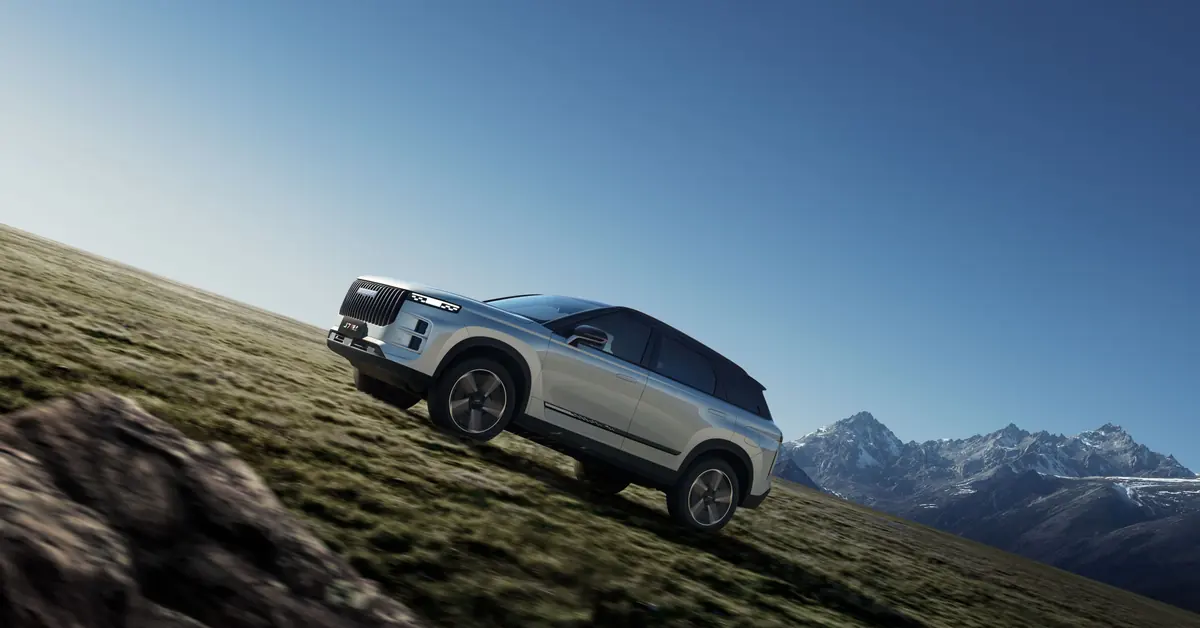
Image 2 – JAECOO 7 SHS-P-1
OMODA and JAECOO presented their plans for intelligent green mobility at the 2026 International User Summit held from October 18 to 24 in Wuhu, China. The automotive brand displayed technological advances across electrified platforms, driver assistance programs, and production facilities. The event highlighted research investments and battery innovations designed to address long-distance transportation requirements.
Research Investment and Artificial Intelligence Cabin Systems
The technical developments follow expanded research budgets reported by the parent company of both brands. In the first half of 2026, research and development spending reached RMB 6.672 billion, representing a 28.3% increase compared to the same period in 2025. Consequently, the funding supported electrification platforms, advanced driver assistance systems, and smart cockpits developed after expanding joint technical work with Qualcomm in April.
Engineers integrated artificial intelligence decision-making capabilities across vehicle chassis, cabins, and driving systems. The brands conducted live demonstrations at their specialized testing facility in Wuhu. Specifically, the evaluations verified two primary platforms: the Super Intelligent Valet Parking system and the Super Intelligent AI Space cockpit interface.
Advancing Intelligent Green Mobility Through Hybrid Endurance
Long-distance road tests during the summit demonstrated new energy powertrains across multiple production models. The OMODA 7 SHS-H debuted its 5-kWh battery hybrid system, creating a new benchmark for hybrid electric vehicle battery capacity. In addition, the brand tested the OMODA 4 SHS-H and OMODA 5 NEXT during marathon endurance runs.
Earlier testing verified hybrid range metrics under demanding operational conditions. The JAECOO 7 SHS-P completed over 100,000 kilometers of road tests with 114 media outlets from 16 nations. At the UTAC Millbrook testing ground in the United Kingdom, the vehicle covered 828 miles, or 1,333 kilometers, on a single fuel tank and battery charge, exceeding official WLTP ratings by 11.14%. Meanwhile, the JAECOO 8 SHS-P recorded a 1,660-kilometer combined driving range in Indonesia, achieving an official Guinness World Records title.
Sustainable Manufacturing and Material Recycling
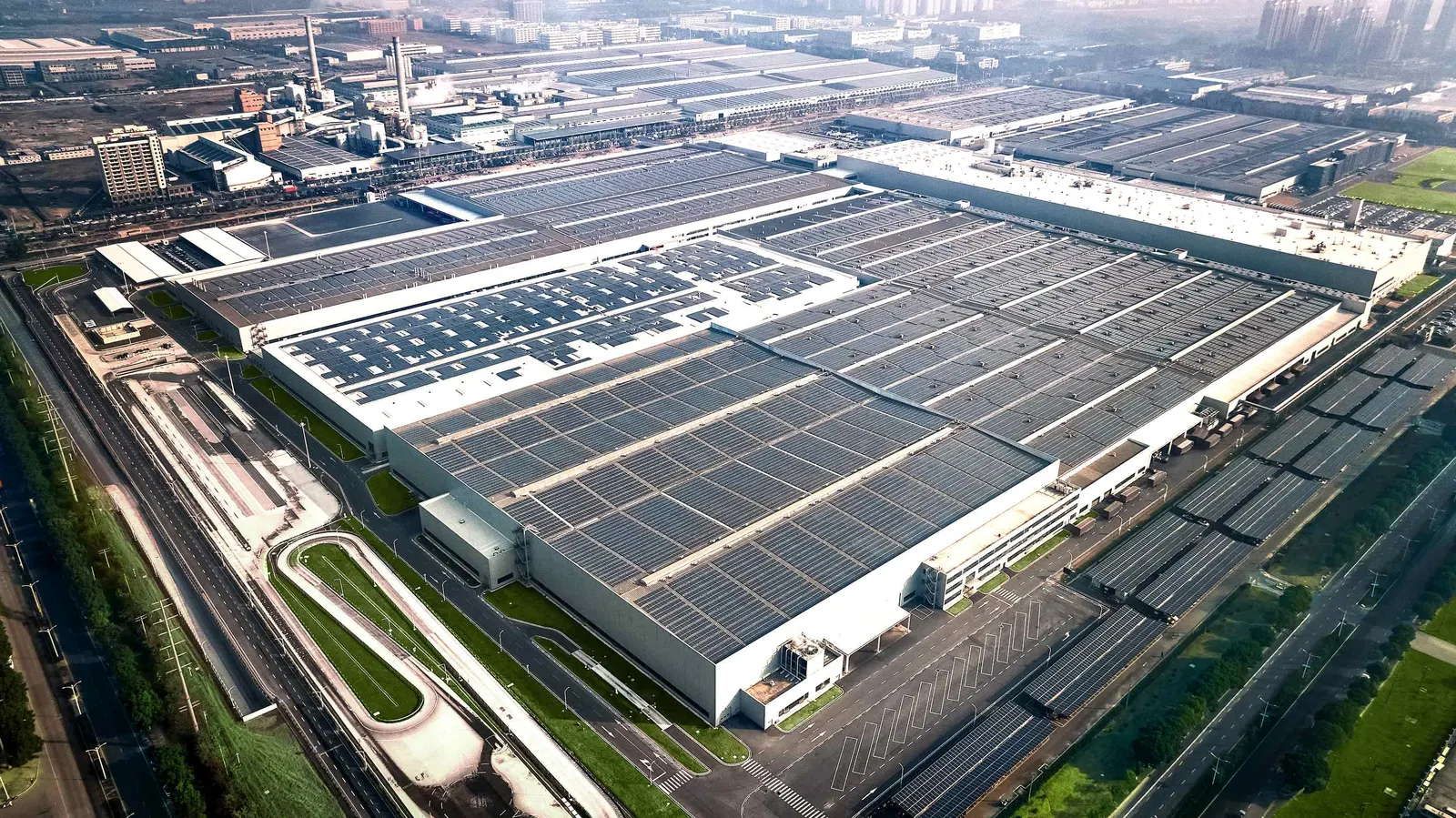
Manufacturing operations reflect broader changes intended to reduce industrial emissions across vehicle assembly plants. Renewable energy accounts for 52.77% of electricity consumed across the parent company’s factories. Furthermore, the group operates five certified green factories alongside two zero-carbon facilities.
Material processing initiatives also contribute to emissions reductions throughout the supply chain. The company uses recycled aluminum, heat-free treatment, and integrated die casting to cut raw material emissions by 80% compared to standard aluminum. Within the European market, the JAECOO 7 SHS uses approximately 75% low-carbon aluminum. The firm maintains industrial capacity to process 100,000 tons of scrap steel, 100,000 tons of scrap aluminum, and 10,000 tons of plastic waste annually.
Global Market Expansion and Future Outlook
International deployment of these hybrid platforms continues across five continents. The SHS Super Hybrid system and JETOUR’s C-DM technology have built significant adoption across European plug-in hybrid vehicle markets. As commercial activity grows within the global economy, OMODA and JAECOO plan to expand their industrial network to support long-term intelligent green mobility objectives.