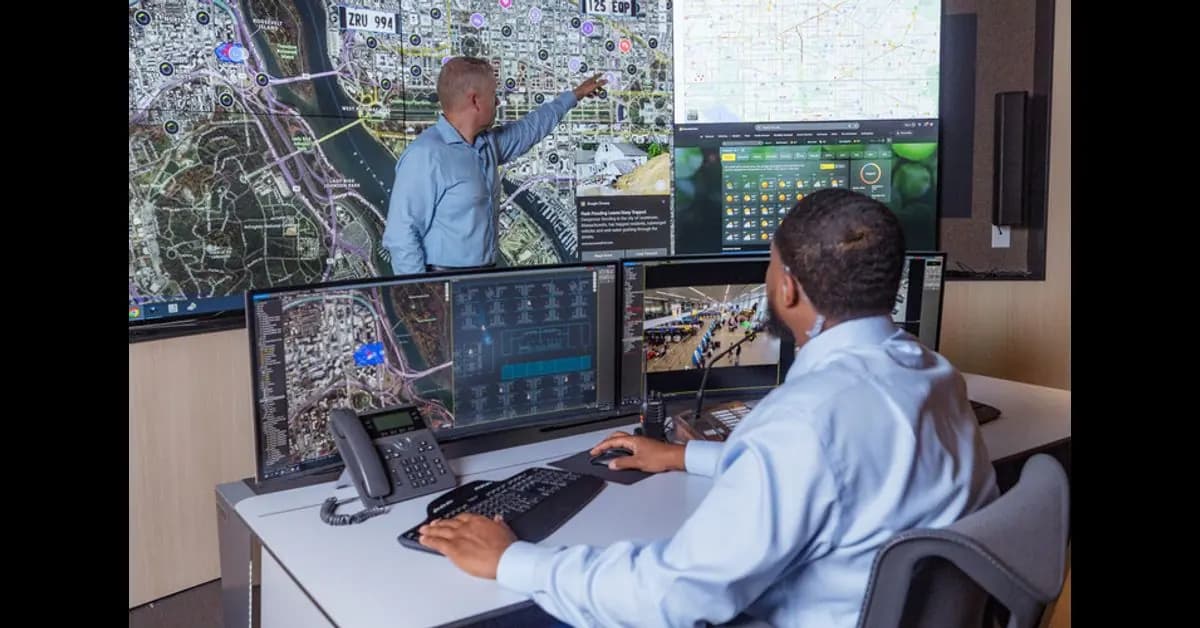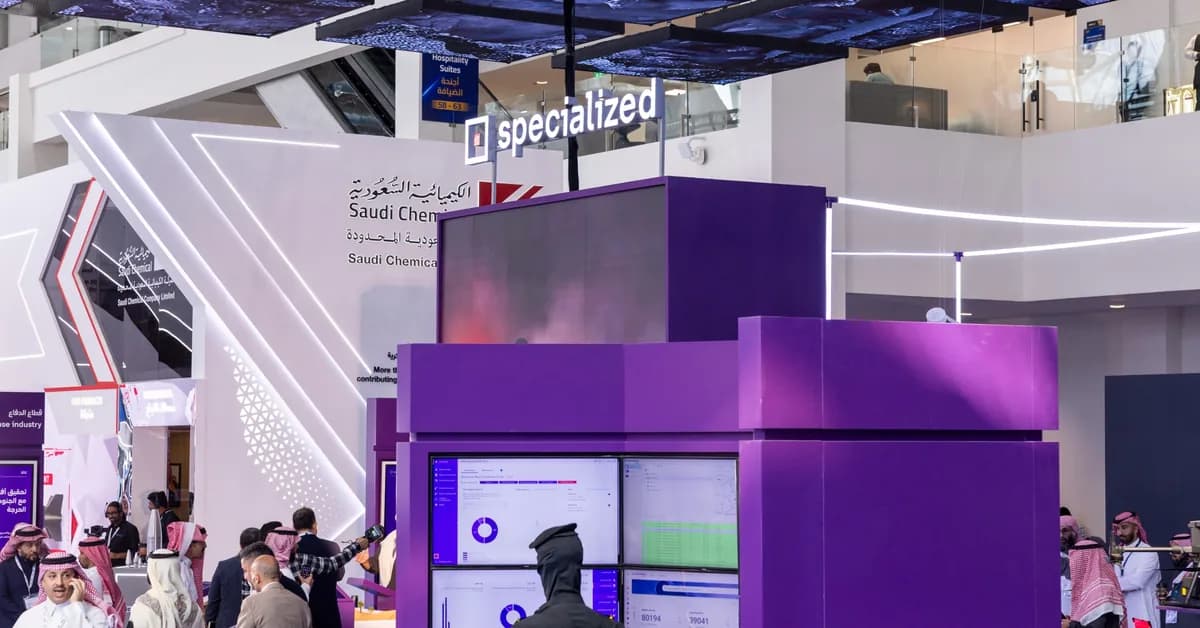

Effective incident readiness serves as an essential requirement for utility resilience across the Middle East as critical infrastructure operators face evolving operational threats. Security software provider Genetec Inc. stated that electric utilities must move beyond basic detection mechanisms to secure their operational environments. While regional utility providers have purchased systems to detect intrusions, access breaches, and hardware faults, identifying an event remains merely the starting point. The primary operational test involves providing operators with sufficient context and coordinating prompt organizational responses.
Unifying Security Data and Operational Context
Operators frequently manage disjointed applications during active alarms. When video surveillance, access control, and perimeter sensors function independently, security personnel must consult multiple platforms to evaluate a single alert. This fragmented process slows response speeds and obscures connections between events. Integrating these physical security streams with operational data into a unified environment gives teams clear situational visibility. For utilities overseeing remote assets, mapping tools and device health indicators help locate nearby response personnel and resolve vulnerabilities before disruptions occur.
Structured Workflows and Incident Readiness
Improving operational data delivery only benefits teams when personnel know precise response steps. Structured workflows and digital operating procedures guide operators through defined actions according to event type, facility location, and affected assets. Digital systems notify specialized units, assign duties, track unresolved issues, and record every step of the response. Furthermore, these activity logs enable utility leaders to identify procedural bottlenecks, communication delays, and recurring equipment faults, which directly improves ongoing incident readiness across facilities.
Applying Artificial Intelligence to Critical Infrastructure
Security teams face rising volumes of alarms without matching staff increases. Applying automation and artificial intelligence tools helps filter nuisance alarms and direct operator focus toward confirmed physical threats. However, human oversight remains necessary for access permissions, investigations, and emergency measures. Middle East utilities must evaluate connectivity, data governance, and cybersecurity policies when deploying automation across generating plants and remote distribution stations.
Modernization Through Open Security Architecture
Few utility organizations can replace complete physical security environments in one project. Genetec noted that an open architecture allows operators to connect legacy hardware with new solutions gradually. Hybrid, cloud-managed, and on-premises options give organizations flexibility to preserve existing investments while modernizing key infrastructure based on risk. Every logged event provides operational data that strengthens staff training, standard procedures, and utility resilience across regional networks.