
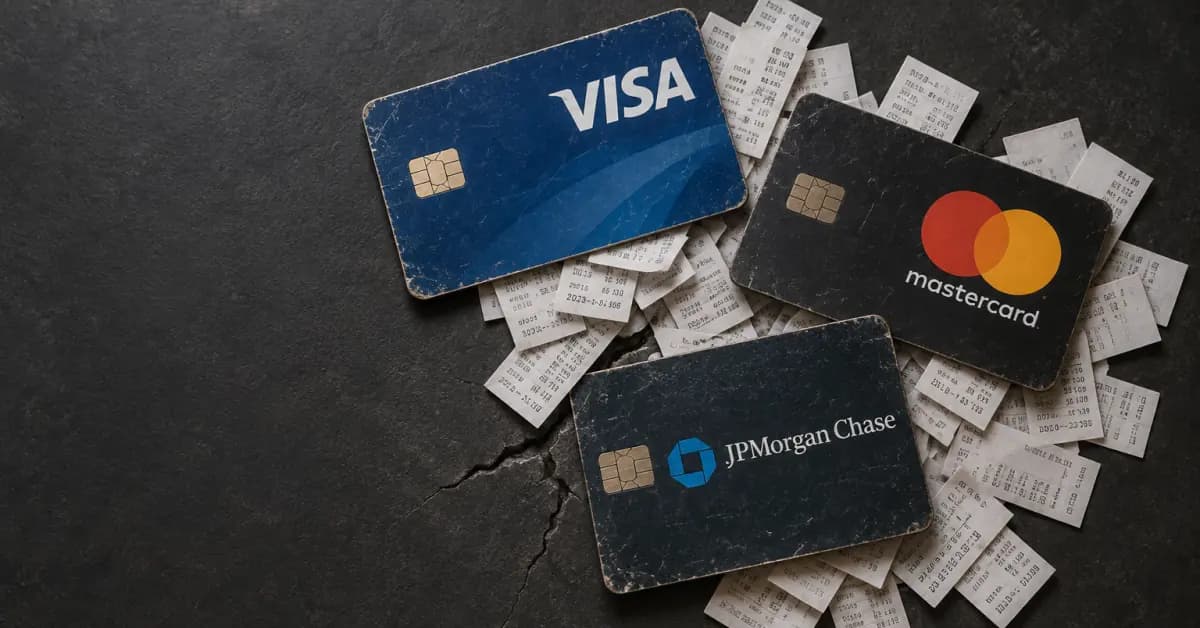
The ransomware gang n0n has published data linked to JPMorgan Chase, Visa, and Mastercard following recent intrusions. Researchers at Cybernews examined the leaked records and discovered that the JPMorgan files relate to its Reserve program. This invitation-only credit card serves high-net-worth clients who typically hold at least $10 million in managed assets.
JPMorgan Reserve Records Exposed
The files involving JPMorgan Chase total 502KB in size. Analysts confirmed that the leak contains roughly 16,000 customer email addresses, JPMorgan Chase account identifiers, and customer phone numbers in selected records. In addition, the archive holds 124 email addresses belonging to bank staff members.
Security specialists noted that the limited file size leaves questions open regarding the scope of stolen assets. Researchers cannot yet determine whether the files represent a small sample or the complete repository taken by the attackers.
“This association alone makes the leak a lot more sensitive as essentially all affected individuals can be a lucrative target to cyber criminals,”
Aras Nazarovas, Senior Information Security Researcher at Cybernews
Visa Dining Program Records Impacted
Files linked to Visa contain details from more than 6,000 premium customers. The records include names, email addresses, telephone contacts, specified messaging applications, and exact reservation entries such as dates and street addresses. Researchers concluded that the records originated from an external marketing service that manages premium dining initiatives across the Asia-Pacific territory.
Activity Linked to the ransomware gang n0n
Investigations into the publication show that the ransomware gang n0n released files from several payment networks simultaneously. Mastercard appeared among the targets with a leaked file measuring 280KB and containing roughly 2,000 entries. However, analysts identified mixed personal records across individual entries in that specific set.
“It is likely that the exposed material is test data rather than genuine customer information,”
Aras Nazarovas, Senior Information Security Researcher at Cybernews
Verification and Industry Impact
Independent auditors have not verified the origin or technical authenticity of the published Mastercard files. Financial organizations continue to review internal logs to determine how third-party platforms interacted with client databases. Earlier analysis showed that third-party marketing vendors often retain sensitive customer profiles across external software tools.
Security teams advise institutions to review external integrations carefully. The incident shows that the ransomware gang n0n focuses on files that link high-profile users to corporate payment platforms.