LG Electronics is expanding its global chiller production across three manufacturing facilities by establishing a new factory in Virginia and increasing output at existing plants in South Korea. The expansion directly targets the rising infrastructure demands of facilities powered by artificial intelligence.
Expanding Global Chiller Production in North America
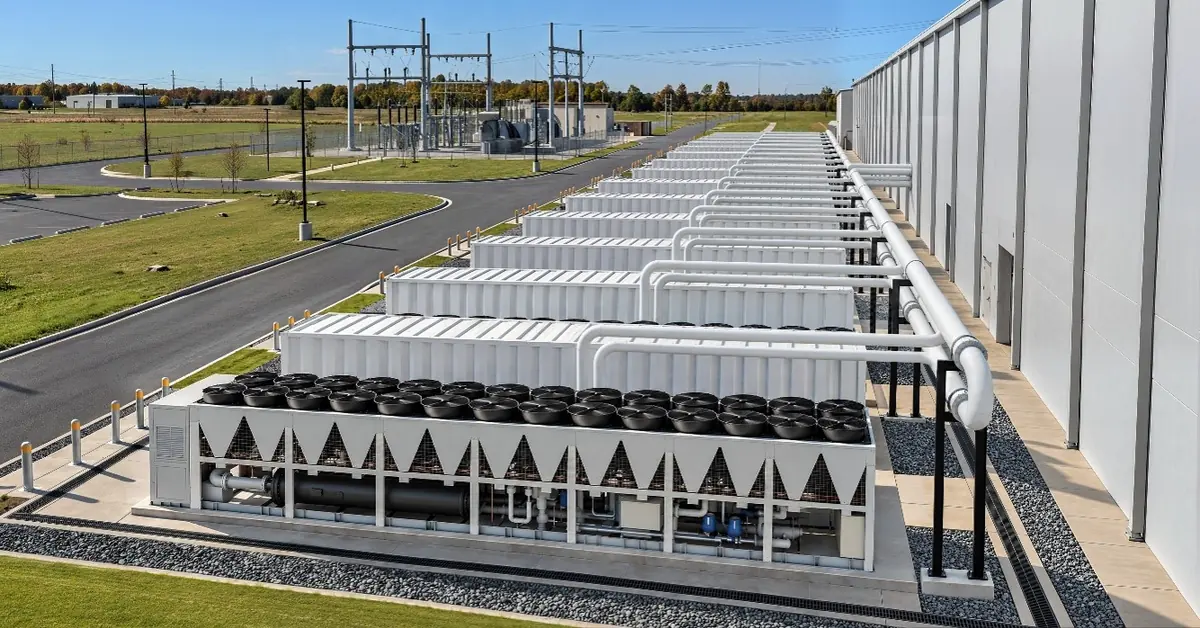
The company is establishing an air-cooled manufacturing facility in Windsor, Virginia. The site spans 170,000 square meters with 30,000 square meters of gross floor area. Scheduled to begin operations in the first half of 2027, the plant will produce cooling equipment for high-performance computing sites across North America.
More than half of the world’s data centers focused on machine learning operate in North America. Virginia specifically houses a major concentration of facilities run by global technology providers. Consequently, local manufacturing ensures faster delivery cycles to regional server facilities requiring immediate infrastructure.
Upgrades Across Korean Manufacturing Sites
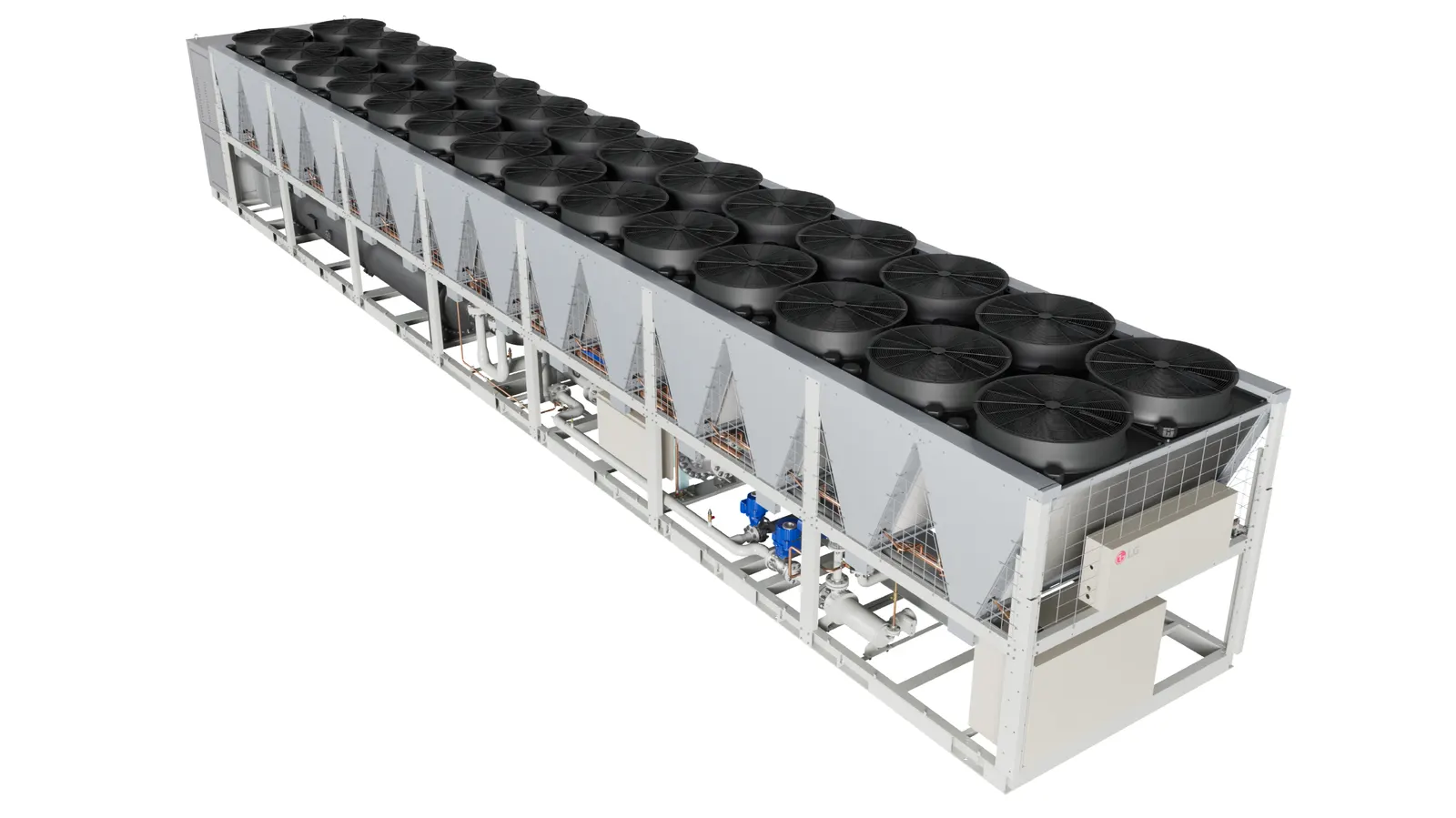
LG Electronics is also adjusting lines in Pyeongtaek and Changwon, South Korea. The company adopted conveyor-based mass manufacturing systems to move units through assembly on a single line. In total, the business plans an investment of KRW 150 billion across the United States and Korean locations to support chiller production volume.
The physical upgrades allow the manufacturer to handle rising orders for air-cooled models without operational delays. As server loads grow, industrial cooling lines require rapid scaling to match market timelines.
Direct Cooling from Chip to Chiller
Alongside factory construction, the corporation is broadening thermal management options through integrated designs. The hardware portfolio includes Coolant Distribution Units, chillers, and cold plates designed to extract heat directly from processing units. These liquid setups work alongside conventional air circulation in dense computing environments.
Research firm Omdia projects worldwide data center capacity will rise from 226 GW in 2026 to 420 GW by 2030, marking an increase of 194 GW. The research firm estimates that 60 percent of this added capacity will concentrate in North American facilities. Meanwhile, enterprises in computers and digital infrastructure require unified heating, ventilation, and power components to preserve uptime.
“We will continue to strengthen our core capabilities in AI data center cooling solutions, from differentiated product technologies to production capacity. With these capabilities, we will ensure a stable supply and actively address rapidly growing market demand.”
James Lee, President of the LG ES Company
Regional Projects and Infrastructure Partnerships
The organization is pursuing server cooling projects with major tech firms in North America while applying multi-division resources across Asia. For instance, the company is deploying its combined heating, ventilation, and battery solutions for Sinar Mas Group’s hyperscale computing project in Jakarta, Indonesia. This unified deployment combines facility design with reliable hardware operation.
Increasing thermal densities in modern server racks make cooling equipment a core operational requirement. By investing KRW 150 billion across three factories, LG Electronics secures a direct manufacturing footprint near major cloud computing centers.