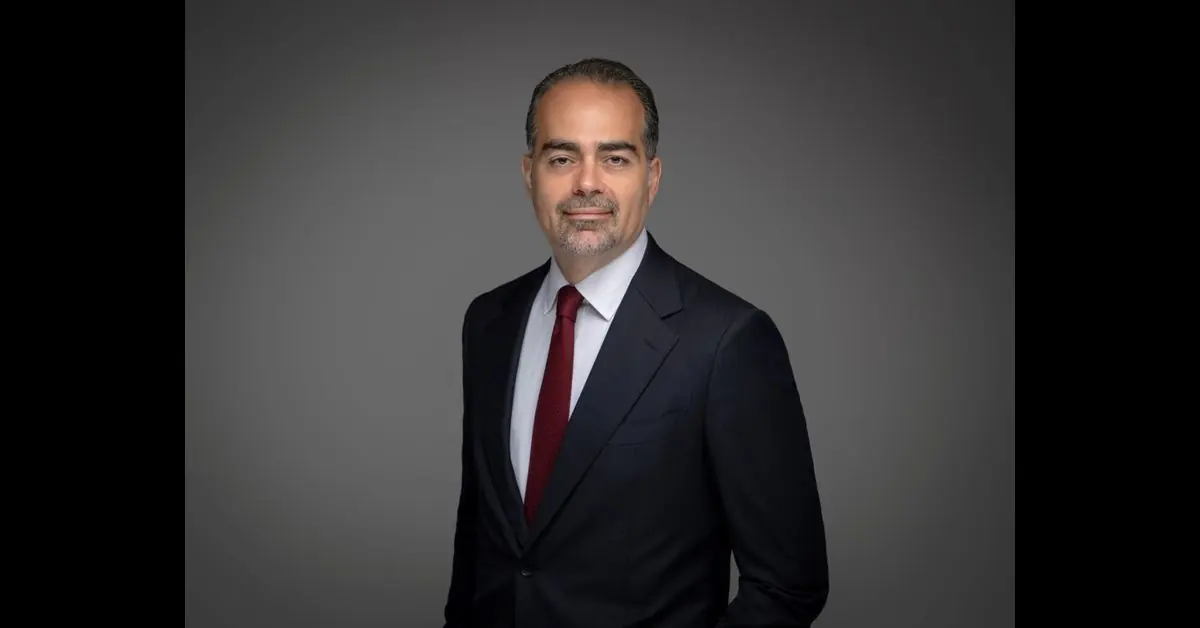
Mohannad Sleiman, Market Executive, Citi Private Bank
The 2026 Global Family Office Report released by Citi Wealth shows that family offices are directing incremental capital toward public equities while deploying artificial intelligence tools. Based on a survey of 351 family office clients across 41 countries, the findings reveal rising resilience despite macroeconomic pressures.
Key Takeaways from the Global Family Office Report
Nearly 90% of respondents reported positive portfolio performance year-to-date, with 41% targeting annual returns between 7% and 10%. Furthermore, global developed equities emerged as the most favored asset class for future net allocations. In addition, nearly half of the surveyed entities increased their public equity exposure during 2026 to seek liquidity and growth in the economy.
Private markets also remain a strategic pillar for long-term growth. Direct investing and private equity continue to attract capital, though offices report higher selectivity in deal sourcing.
“The Middle East is home to some of the world’s most entrepreneurial and globally connected families. What we see in this year’s report is a region that remains focused on growth while becoming increasingly deliberate about governance, succession and long-term resilience.”
Mohannad Sleiman, Market Executive, Citi Private Bank
Implementation of Artificial Intelligence
Adoption of AI technology is transitioning from experimental testing to active operational implementation. Family offices are deploying machine learning models across investment analysis, workflow automation, and reporting processes. Specifically, respondents emphasize using automation tools to boost workflow productivity and improve due diligence speed before relying on algorithms for investment returns.
Cross-Border Complexity and Succession Planning
International expansion has created new operational challenges, with 38% of respondents expecting family globalization to increase over the next five years. Consequently, multi-jurisdictional tax coordination, asset structuring, and regulatory compliance have become major responsibilities for investment teams.
Meanwhile, leadership succession is now an immediate priority. Approximately one-third of respondents expect leadership transitions within the next five years, though many cite gaps in next-generation preparedness.
Institutional Discipline and Risk Management
Rather than executing broad portfolio liquidations during periods of volatility, more than 40% of survey respondents made no major changes to their allocations. Instead, institutions applied targeted hedging strategies to preserve capital against inflation risks. According to the Global Family Office Report, balancing operational discipline with long-term stewardship remains central to preserving generational wealth.