Help AG launches Quantum 360 at GISEC 2026 to advance post-quantum readiness in UAE
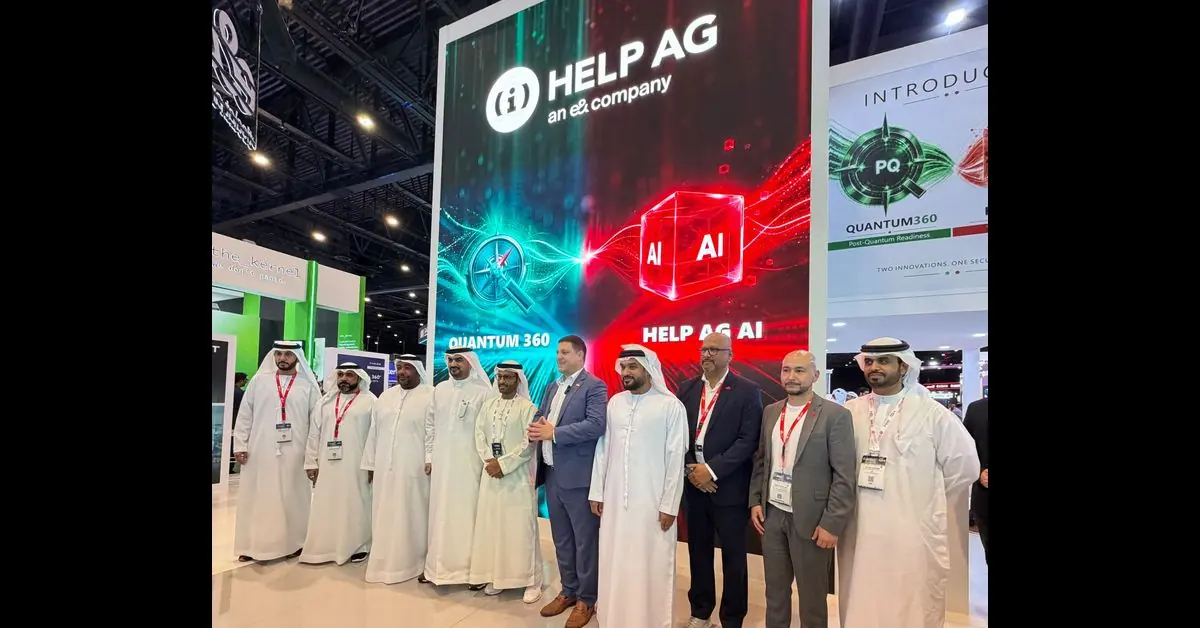
Help AG announced the launch of Quantum 360 at GISEC Global 2026 to help organizations prepare for cryptographic security risks. The cybersecurity arm of e& debuted the new portfolio during an official ceremony on the second day of the event in Dubai. In addition, the initiative aligns with national cybersecurity directives to transition from traditional encryption methods to quantum-safe frameworks.
The announcement follows the introduction of the National Encryption Policy by the UAE Cybersecurity Council. Concurrently, the Dubai Electronic Security Center established its Post-Quantum Cryptography Guideline to secure digital assets against future compute threats. Help AG aims to assist government entities and enterprises in assessing their exposure and adopting approved migration roadmaps.
Overview of the Quantum 360 Portfolio
The newly introduced Quantum 360 suite provides a structured approach covering discovery, risk analysis, and technical migration. Rather than delivering a single software deployment, the services evaluate cryptographic assets across business architecture and governance models. As a result, organizations can address specific vulnerabilities in on-premises, hybrid, and multi-cloud systems.
“The quantum conversation is moving from ‘when will it happen?’ to ‘are we ready when it does?’ Organizations need to understand where cryptographic assets exist today, what is most exposed and what needs to change first.”
Dr Aleksandar Valjarevic, CEO of Help AG
Understanding Quantum Computing Threats
Quantum processors use qubits to perform complex calculations at speeds unachievable by standard computers. Consequently, sufficiently powerful machines could break current public-key encryption standards. Threat actors are currently executing harvest now, decrypt later tactics by gathering encrypted data with plans to decode it once quantum hardware matures.
Protecting sensitive records such as medical databases and national intelligence requires immediate planning for cybersecurity defenses. Transitioning legacy cryptography to modern standards ensures confidentiality for critical assets over decades.
Three Core Pillars of Implementation
The service architecture is divided into three distinct operational segments:
- Q-Lens: Audits the cryptographic estate, generating a Cryptographic Bill of Materials across certificates, algorithms, and dependencies.
- Q-Path: Translates assessment findings into prioritized migration roadmaps aligned with regulatory standards and business requirements.
- Q-Seal: Implements quantum-safe solutions in sensitive environments, including Quantum Key Distribution for critical communications.
Regulatory Context and Future Readiness
Transition requirements vary depending on data lifespan, operational sensitivity, and specific compliance mandates. Furthermore, Help AG continues to expand its regional portfolio to cover sovereign platforms, cyber trust, and safe AI deployment. Visitors can review Quantum 360 alongside these technical solutions at Stand C100 in Hall 5 at the Dubai Exhibition Centre.