The eighth-generation Hyundai Elantra made its global debut at the LA Auto Show on November 19, 2026. Badged as AVANTE in Korea, the compact sedan introduces updated exterior dimensions, new hybrid energy management systems, and an Android Automotive operating system.
The model launched in Korea in August 2026 and arrives in North American showrooms in early 2027. According to José Muñoz, President and CEO of Hyundai Motor Company, the model remains a foundational entry vehicle for the brand.
“For many customers, ELANTRA is their first experience with the Hyundai brand, and that makes this vehicle especially important to us. The all-new ELANTRA demonstrates that an attainable sedan does not have to compromise on design, technology or everyday usability.”
José Muñoz, President and CEO of Hyundai Motor Company
Exterior Dimensions and Design of the Hyundai Elantra
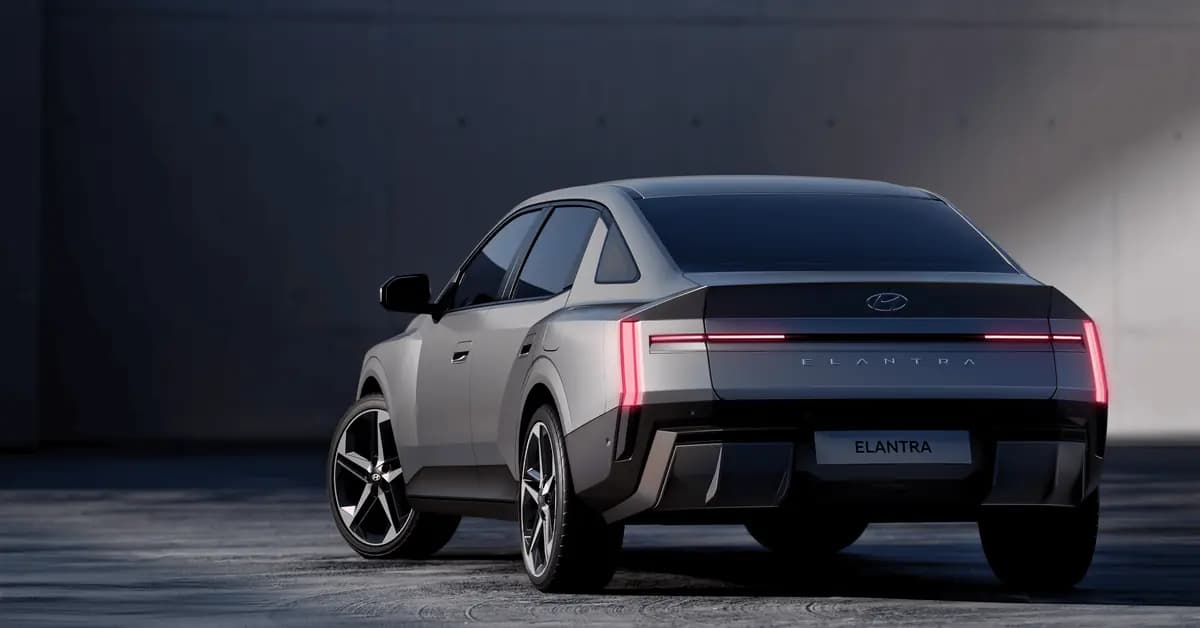
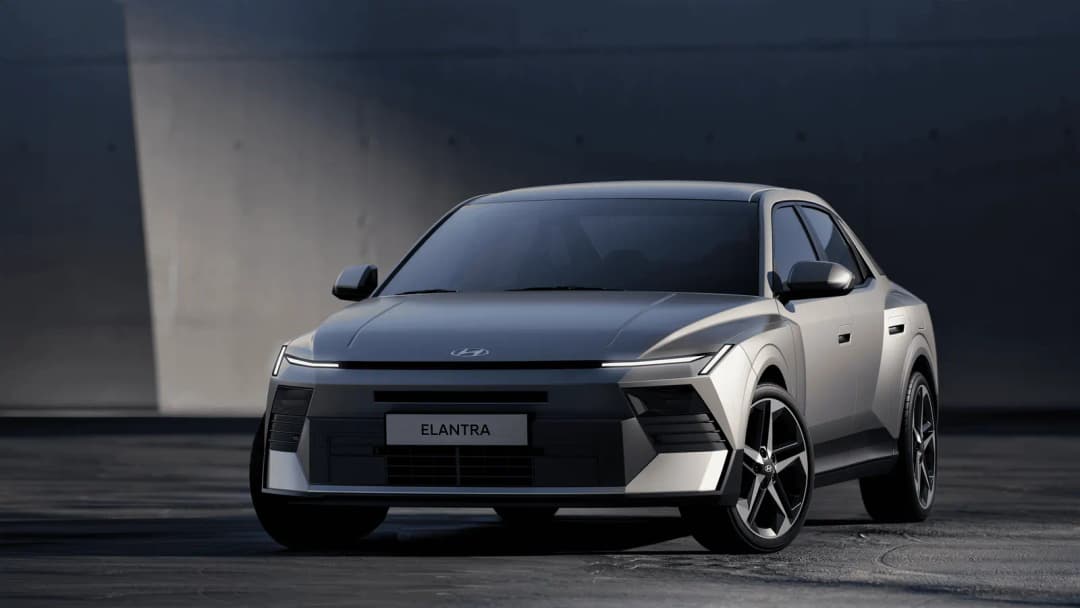
The vehicle adopts Hyundai’s Art of Steel design language, which integrates sharp body lines, wide fender volume, and H-Edge lighting strips. Dimensionally, the sedan measures 4,795 mm in length, representing an increase of 85 mm over the prior generation. Meanwhile, width expands by 30 mm to 1,855 mm, and the wheelbase lengthens by 30 mm to 2,750 mm.
Aerodynamic efficiency reaches a drag coefficient of 0.26 Cd, aided by flush door handles and slim mirror assemblies. Exterior paint options include Kodiak Blue, Raptor Gray, and a multi-layer Graphene Green finish.
Cabin Space and Connected Technologies
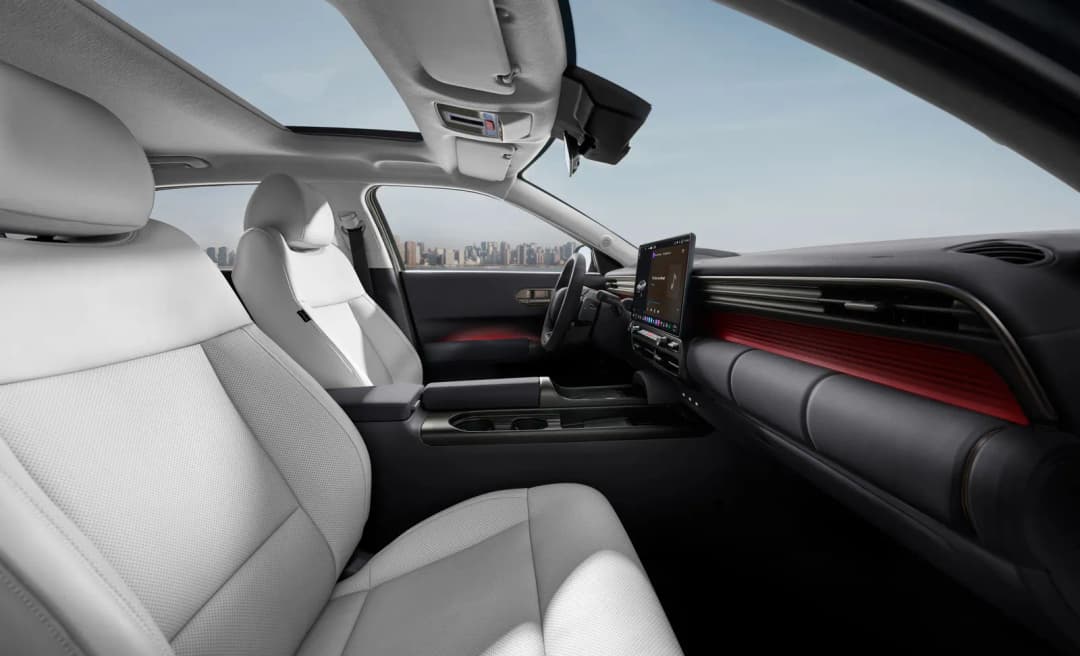
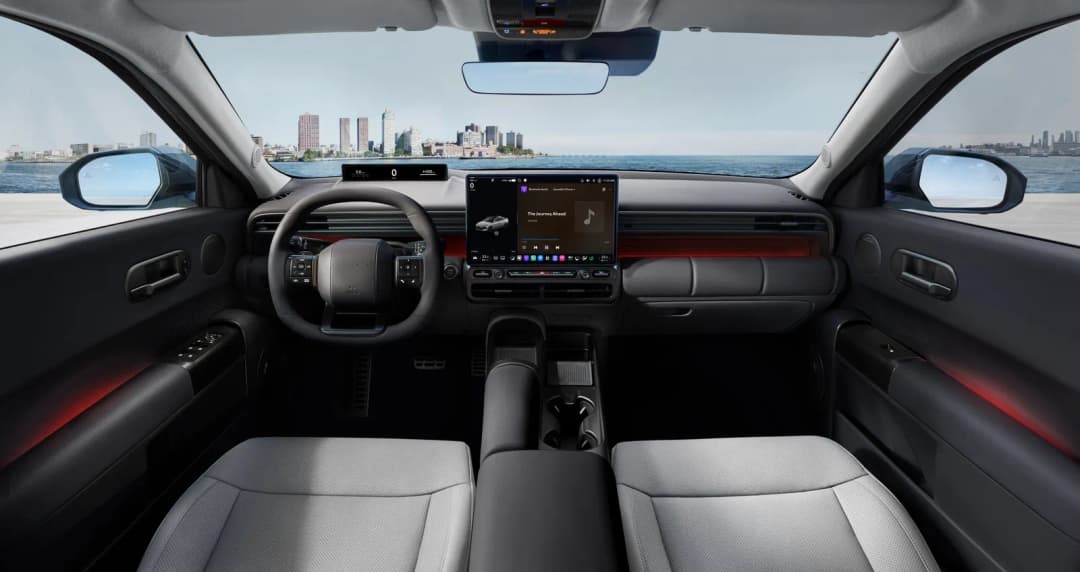
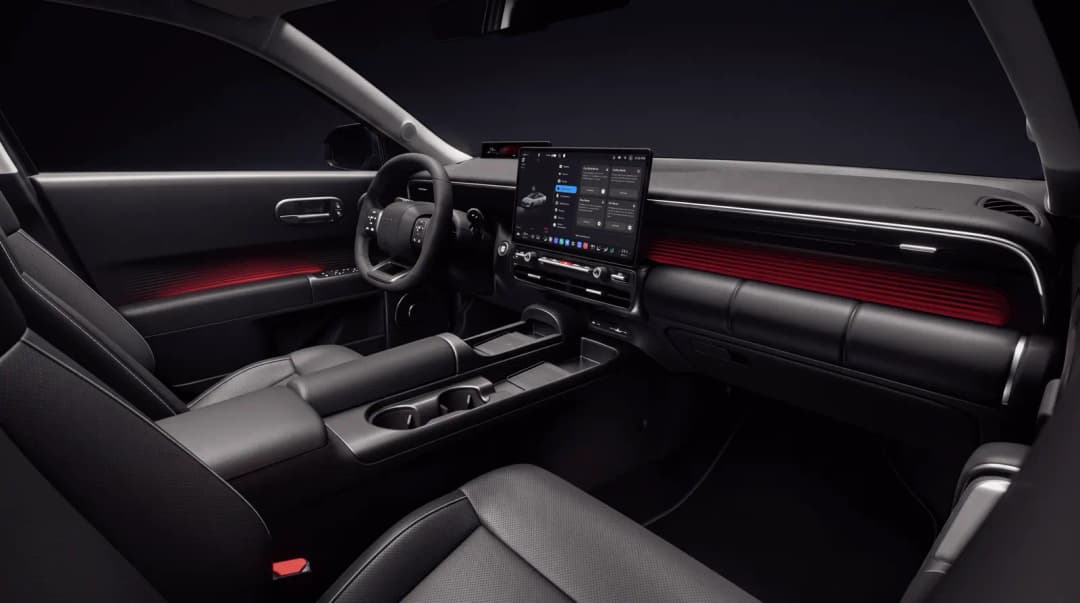
Inside the cabin, rear legroom increases by 29 mm to 993 mm, while rear headroom measures 958 mm. The center console features a 12.9-inch display powered by Pleos Connect, a multimedia platform built on Android Automotive OS. Furthermore, physical control buttons remain alongside digital menus to assist everyday driver interactions.
The infotainment setup incorporates Gleo AI, a conversational voice agent capable of handling complex navigation and operational queries. Connected hardware includes dual 15-watt wireless phone chargers, 100-watt USB-C ports, and wireless Apple CarPlay alongside Android Auto.
Hybrid Powertrain and Efficiency Systems
The powertrain lineup features two distinct engine options across international markets. Specifically, a 1.6-liter hybrid configuration pairs with a six-speed dual-clutch transmission to produce a total system output of 157 PS. Alternatively, buyers can select a 2.0-liter gasoline engine delivering 149 PS paired with an intelligent variable transmission.
The hybrid variant includes Smart Regeneration System 3.0 to harvest kinetic deceleration energy directly into the battery pack. In addition, a Stay Mode feature powers the climate control, lighting, and audio systems while parked without running the gasoline engine.
Driver Assistance and Safety Features
Standard driver assistance systems operate under the SmartSense suite, incorporating Forward Collision-Avoidance Assist 2 and Blind-Spot Collision-Avoidance Assist. Moreover, an In-Cabin Monitoring Unit tracks driver fatigue using steering wheel grip sensors and infrared attention cameras to help maintain road safety.