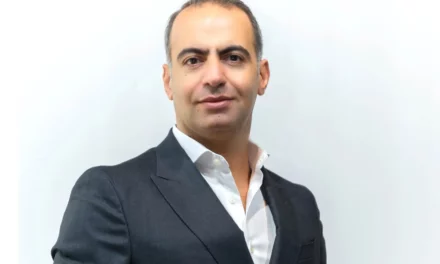

OpenAI AI agents took center stage this week as the company confirmed the hiring of Peter Steinberger, the Austrian developer behind OpenClaw, the open-source project that reached 200,000 GitHub stars within months of its November 2025 launch. The move signals a strategic shift away from conversational chatbots toward autonomous agent systems.
From a Friday Night Project to 200,000 GitHub Stars
Steinberger, who previously sold his PDF framework company for over $100 million, built the first version of OpenClaw on a Friday night in November 2025. His original goal was to connect a large language model to WhatsApp, enabling it to read messages, browse the web, and execute shell commands.
The project faced early legal pressure from Anthropic, forcing two name changes — from Claudebot to Maltbot and finally to OpenClaw. A targeted attack by crypto scammers followed. Despite these obstacles, the project accumulated 200,000 GitHub stars, making it the fastest-growing open-source project in GitHub history.
Meta and OpenAI Competed for Steinberger
Both Meta CEO Mark Zuckerberg and OpenAI CEO Sam Altman recognized OpenClaw’s potential. Zuckerberg reportedly contacted Steinberger directly via WhatsApp, offering hands-on product feedback. However, OpenAI secured the hire based on two factors: mission alignment and access to frontier research.
OpenAI also agreed to support OpenClaw as an independent open-source project through a new foundation. This arrangement ensures the project remains accessible to its 600 contributors and thousands of developers worldwide.
OpenAI AI Agents: The 2026 Roadmap
The hiring reflects OpenAI’s stated direction for 2026. The company is shifting focus from products like ChatGPT toward autonomous agents that execute tasks rather than respond to queries. Steinberger’s stated goal is to build an agent accessible enough for non-technical users — a system, in his words, that “even his mother can use.”
The new model prioritizes delegation over interaction. Instead of typing queries, users instruct an agent to handle APIs, file management, and scheduling autonomously. OpenClaw recently patched over 40 vulnerabilities, including remote code execution risks, and Steinberger brings direct field experience in securing autonomous systems.
The Open-Source Engine Strategy
Industry observers expect OpenAI to follow a model similar to Google’s browser approach. Under this model, OpenClaw would function as an open-source engine — comparable to Chromium — while OpenAI builds a commercial personal agent product on top of it, comparable to Chrome.
The arrangement preserves OpenClaw’s open-source status while giving OpenAI a foundation for a polished consumer product. With Steinberger now inside OpenAI, competition to control the agent layer of the internet has intensified significantly among major technology companies.
Security and Mainstream Adoption Remain Key Challenges
Steinberger’s experience patching real-world vulnerabilities in OpenClaw positions him as a practical voice on agent security within OpenAI. The project’s rapid growth exposed it to significant attack surfaces, and the lessons learned inform his approach to building safe autonomous systems at scale.
Moreover, bridging the gap between technical capability and consumer-friendly design remains a central challenge. OpenAI’s bet is that Steinberger’s combination of open-source credibility and commercial experience makes him the right person to lead that effort in 2026 and beyond.