
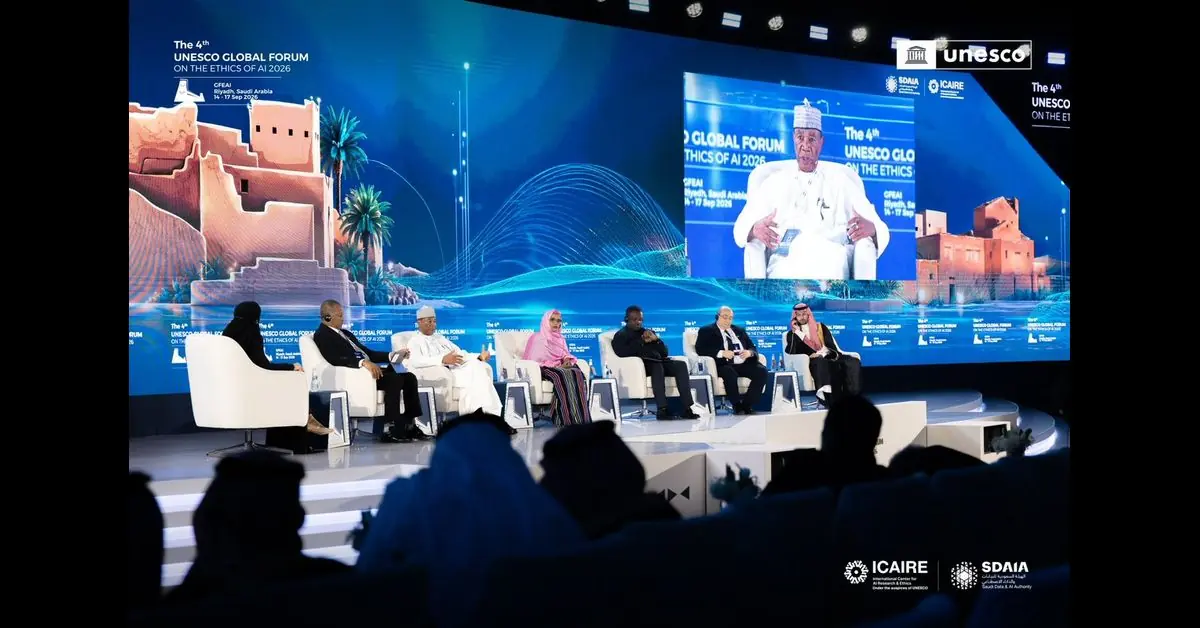
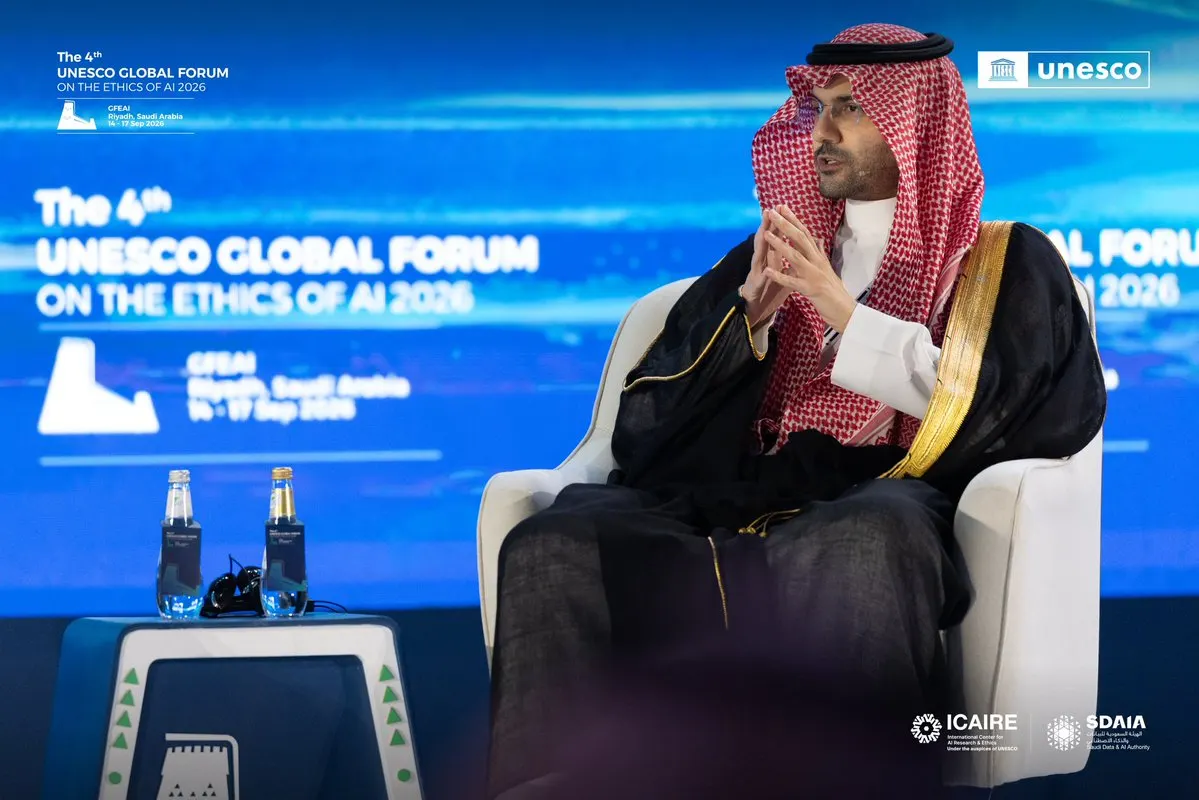
Progress surrounding the UNESCO AI ethics recommendation took center stage during an international panel evaluating global policy developments. The Chief Executive Officer of the Strategy Management Office at the Saudi Data and Artificial Intelligence Authority (SDAIA) participated in the dedicated session to review practical milestones achieved over the last half-decade.
Evaluating the UNESCO AI ethics framework
The panel session carried the title “Five Years on the Recommendation: Where Are We and Where Are We Going?” Participants examined the direct impact of the recommendations issued by UNESCO, assessing how international standards have translated into functional operational policies across various digital sectors including artificial intelligence systems.
Delegates focused on specific compliance metrics and institutional mechanisms established since the initial framework release. Furthermore, the discussion analyzed how national strategies integrate these shared global principles into local technical initiatives and research environments.
Reviewing five years of implementation
During the session, speakers reviewed the institutional changes recorded across participating countries over the five-year span. Experts highlighted the growth of responsible design benchmarks, which now guide software development cycles and public sector automation programs.
Moreover, the dialogue addressed common challenges that regulatory bodies encounter when balancing rapid algorithmic deployment with data privacy and safety rules. Technical institutions increasingly align their operational reviews with established standards to maintain transparency across emerging technological platforms.
Strategic role of SDAIA in governance
SDAIA’s participation reflects its ongoing engagement with global bodies to ensure technical frameworks remain aligned with international best practices. In addition to policy review, the authority continues to connect data management standards with advanced cybersecurity protocols across national systems.
By contributing to international reviews of the UNESCO AI ethics text, SDAIA tracks evolving regulatory trends that influence both public services and enterprise solutions. Consequently, technical leadership teams can evaluate domestic policy roadmaps against international benchmarks established by multilateral organizations.
Future directions for ethical technology
Looking ahead, the panel outlined strategic priorities required to support cross-border cooperation in algorithm supervision. Key topics included regular compliance reporting, capacity building within technical teams, and expanding specialized education and training programs for software developers.
As automated decision-making tools expand into wider commercial applications, international organizations plan to update implementation guides. SDAIA and global partners aim to maintain structured oversight to address emerging challenges while supporting sustained technological research.