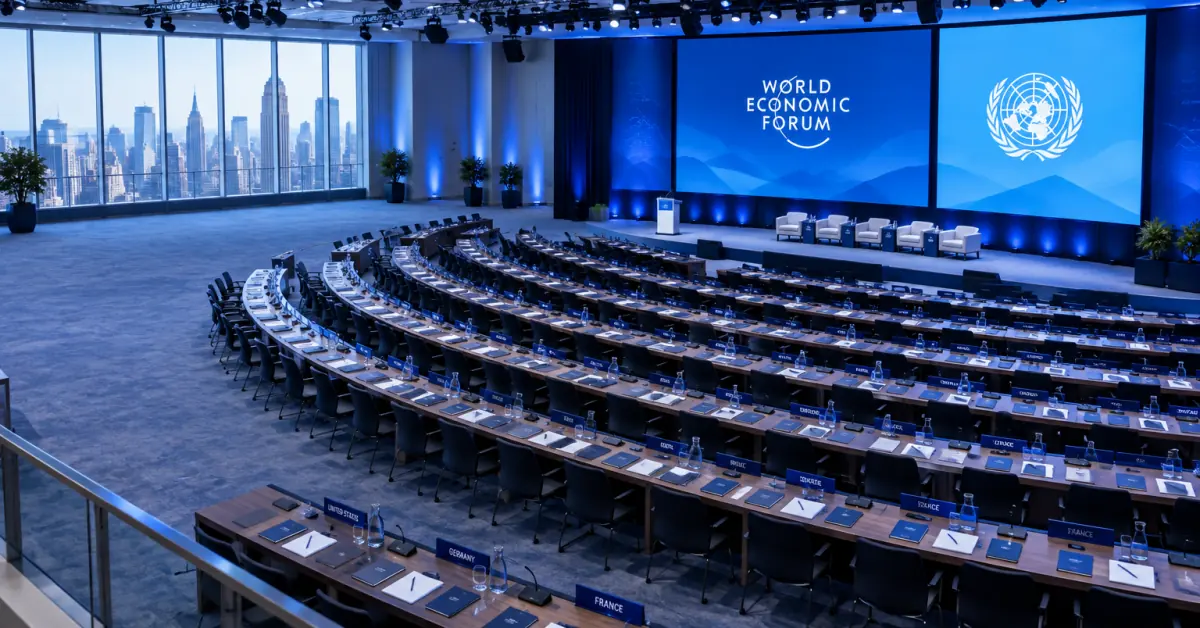
AI-generated illustration
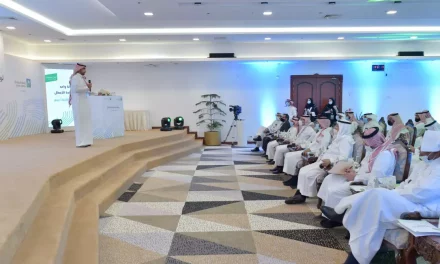
The annual sustainable development meetings convened over 1,000 global leaders in New York to address climate action, frontier technology governance, and capital mobilization. Held alongside the 81st United Nations General Assembly High-Level Week, the four-day event gathered 600 business executives and 100 government officials to establish cross-sector solutions.
Outcomes of the Sustainable Development Meetings
Discussions during the sustainable development meetings focused on urgent economic and environmental priorities ahead of the World Economic Forum Annual Meeting 2027 in Davos. High-level sessions brought together 70 leaders through the Informal Gathering of World Economic Leaders to address geopolitical shifts and industrial changes. Economic reports presented at the event indicated stabilizing global growth, while noting that living costs continue to outpace income gains across several regions.
“As prolonged conflicts and geopolitical tensions put energy, economic and diplomatic systems under strain, business leaders can play a critical role in shaping what comes next.”
Mirek Dušek, Managing Director, World Economic Forum
Economic Resilience and Climate Initiatives
Participants addressed climate risks affecting the global economy, including a framework to protect workforce productivity from extreme heat, which currently puts 2.4 trillion dollars at risk. New partnerships were finalized, including a memorandum of understanding with the United Nations Development Programme to address plastic pollution, alongside an initiative with the Mohamed bin Zayed Water Initiative to accelerate water innovation.
Artificial Intelligence and Future Workforce
Technology sessions focused on the practical integration of artificial intelligence across essential industries. Data center research presented during the sustainable development meetings identified efficiency measures that could reduce facility energy consumption by 6.5 to 11 percent. In addition, an AI for Social Innovation session laid the groundwork for a coalition targeting the mobilization of 500 million dollars by 2030.
Workforce transitions emerged as a central theme, as 63 percent of surveyed employers identified skills shortages as a significant barrier to digital adaptation. Forum leaders highlighted the need for updated education frameworks, including hybrid training and expanded apprenticeships to support manufacturing and industrial sectors.
Capital Deployment in Emerging Markets
The final sessions addressed strategies to direct investment toward fragile and frontier markets facing severe climate pressures. Leaders focused on closing the estimated 800 billion dollar annual urban resilience investment gap through public-private collaboration, blended finance models, and philanthropic participation.