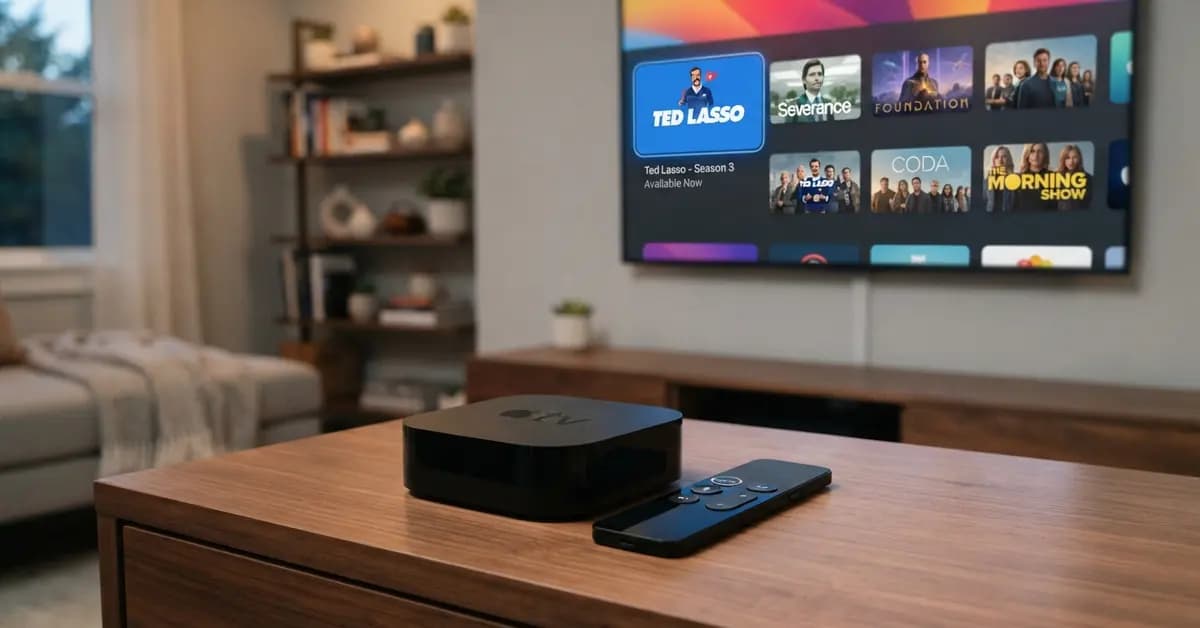
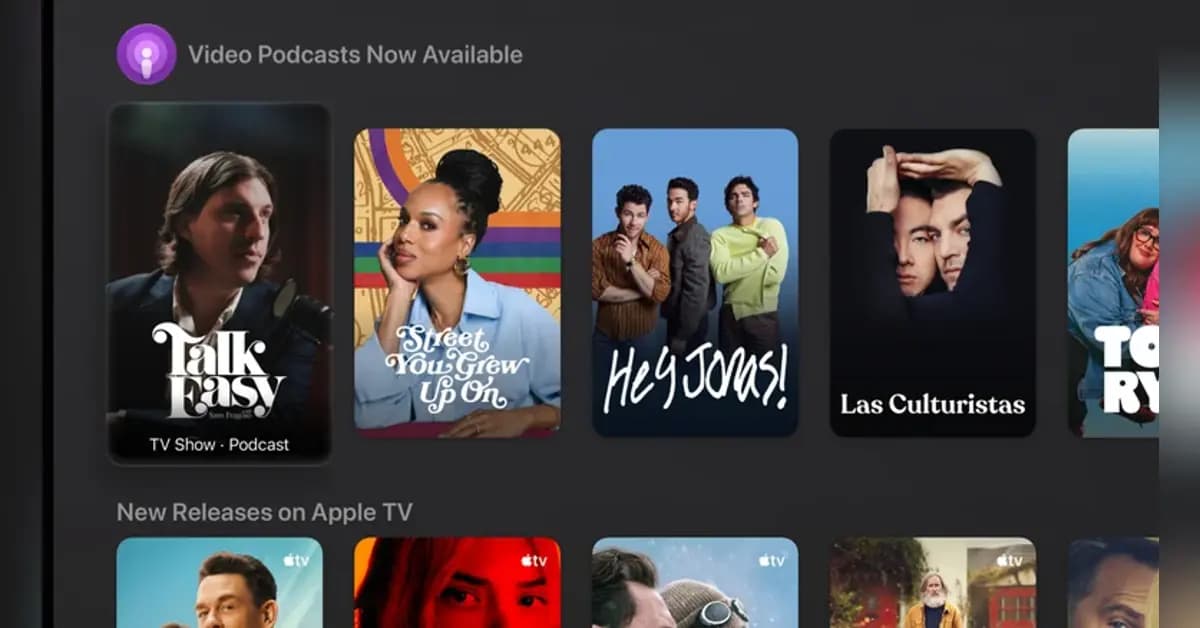
Apple TV video podcasts will soon arrive on smart televisions and personal hardware through a dedicated section in the company’s streaming application. The tech firm is preparing to deliver visual talk shows to more than one billion connected devices worldwide. Testing for the feature begins today in a developer release before a public release takes place.
Access Across Screens and Devices
The new section will operate without requiring a paid subscription from viewers. Users can watch programming on set-top boxes, mobile devices including iPhone and iPad units, Mac computers, and CarPlay-enabled vehicles. Furthermore, third-party smart televisions running the Apple TV software will support the visual directory.
Shows distributed through the primary directory will automatically appear on the screen. Audiences can view Apple TV video podcasts without paying extra subscription fees, according to reporting by Engadget. However, private shows that rely on subscriber-only feeds will not function inside the television application.
Creator Controls and Ad Formats
Publishers who submit their programming retain direct control over advertising revenue. Specifically, creators maintain rights over commercial breaks and receive expanded options for displaying series artwork across television displays. The company introduced HTTP Live Streaming tools earlier this year, allowing audiences to toggle between audio playback and video feeds.
“We want podcasts to be available wherever people want to enjoy them, the small screens, big screens. It is really about discovery and helping the creators to reach a new audience.”
Oliver Schusser, Vice President of Apple TV and Apple Music
Availability of Apple TV Video Podcasts
The initial deployment of Apple TV video podcasts targets five initial countries. Viewers located in the United States, the United Kingdom, Canada, Australia, and Mexico will gain initial access during the first phase of deployment. Other international regions will join the service distribution schedule later.
Internal company figures shared with media outlets indicate that over 35 percent of regular audience members switch between audio and video formats within a given month. Consequently, extending video support to living room hardware connects mobile audiences with home entertainment setups.
Market Competition with Streaming Rivals
The expansion places the tech company in direct competition with established apps in the digital broadcasting sector. Platforms such as YouTube and Spotify established visual episode feeds across television interfaces several seasons ago. Similarly, Netflix introduced original interview productions to capture viewing hours from home audiences.
By integrating free visual shows into its main entertainment hub, the organization seeks to retain viewer attention against rival services. The broader public rollout will follow the conclusion of current developer testing cycles.