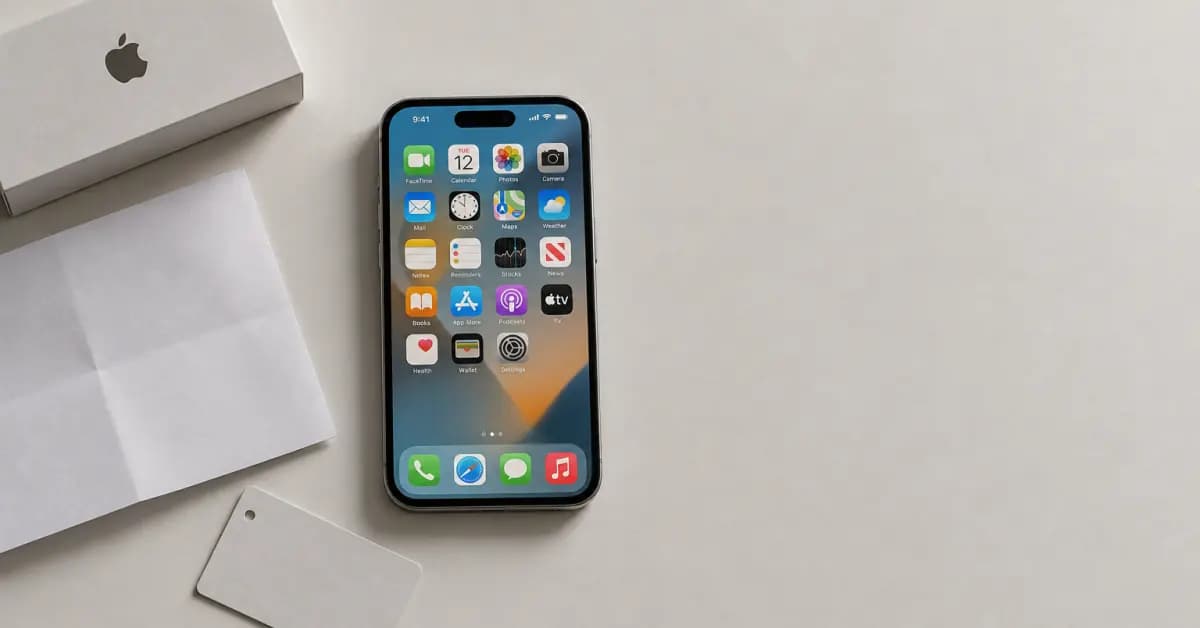
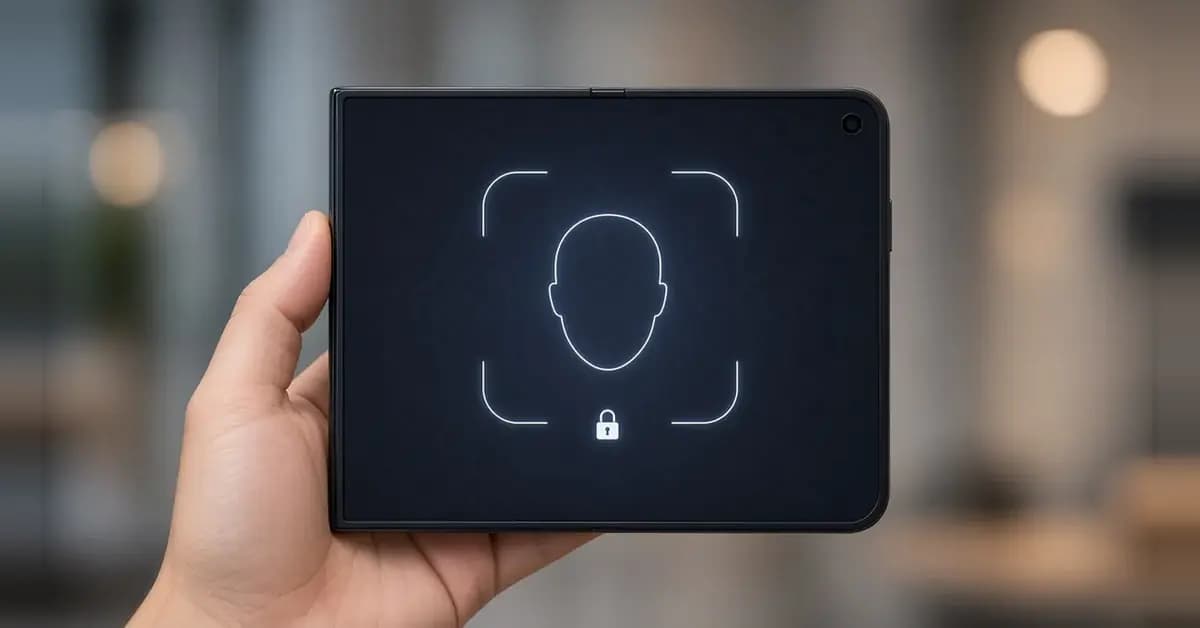
Apple introduced biometric camera authentication for the iPhone Duo in the developer release of iOS 27.3 on Monday. The folding handset originally shipped without facial unlocking hardware, compelling owners to rely strictly on fingerprint verification.
Camera Authentication for the iPhone Duo
The current hardware profile of the iPhone Duo lacks space for TrueDepth sensors because the mechanical hinge and layered display occupy internal volume. Consequently, the new system relies entirely on the exterior single front camera rather than dedicated depth-mapping projectors. According to reporting by Wired, Apple adapted software logic originally created for its HomeView smart display device to enable camera recognition.
The HomeView recognizes up to six individuals in a household through standard visual inputs. To protect personal files, data processing occurs inside a memory-isolated section of the A20 Pro chip called the Secure Exclave. This structure functions independently from the Secure Enclave processor that secures traditional Face ID components on standard phones.
Operational Limits and Security Safeguards
Because basic optical identification is easier to spoof than structured light scans, Apple placed clear operational boundaries on the feature. The optical scanner works strictly when the folding handset remains shut. Unfolding the device disables the optical camera check, requiring standard Touch ID verification or manual passcode entry instead.
Furthermore, authentication privileges are restricted to standard device unlocking. Users cannot authorize Apple Pay transactions, reveal keychain passwords, or open secured banking utilities with their face. A built-in timer also enforces security by disabling camera unlock after 45 minutes of inactivity, mandating a fresh passcode entry.
Automatic Fold Lock Configuration
Alongside facial recognition, iOS 27.3 provides an option to lock the phone immediately when folded shut. In earlier software builds, shutting the phone shifted active tasks to the exterior panel without locking the device. Users can activate the immediate lock setting through the Display and Brightness menu in the system configuration.
Availability and System Testing
Both adjustments are present in the preliminary test build of iOS 27.3 distributed to registered developers. Apple has not confirmed when the finished update will reach the general public. Testing cycles suggest an official rollout will follow preliminary security evaluation across supported consumer hardware.