
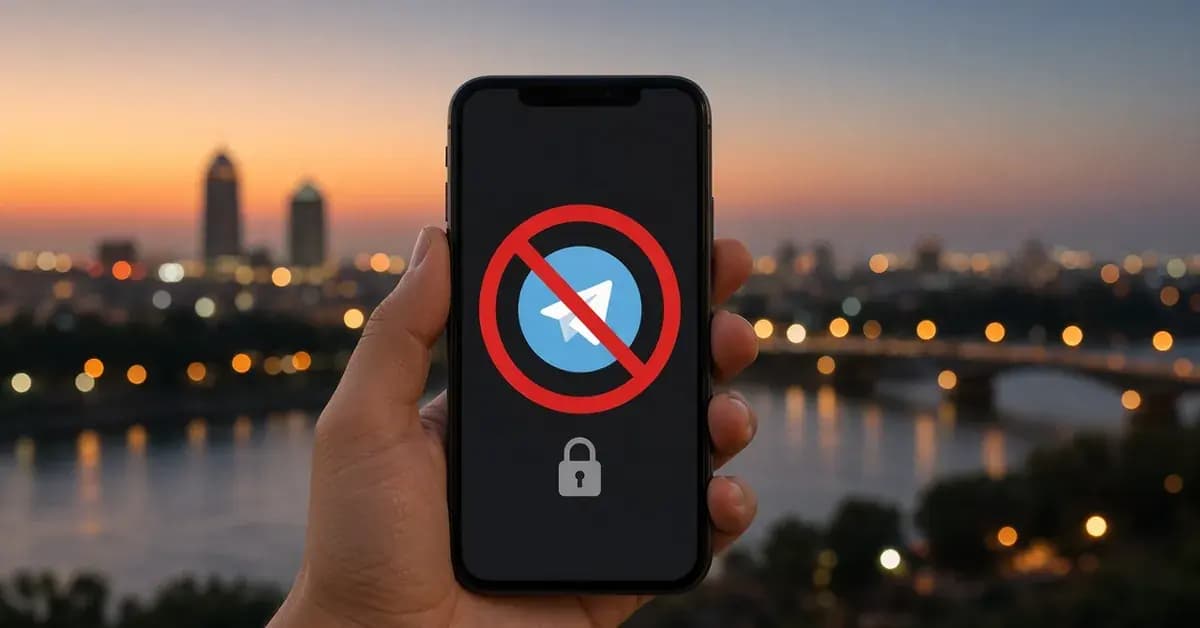
The government of Iraq blocks Telegram across the country following official regulatory decisions by the national Communications and Media Commission. The authority issued the ban after the operating firm failed to meet statutory requirements and did not address flagged content on the service. Officials confirmed that the network received a formal 30-day grace period to settle its legal status under national communication statutes.
Regulatory Basis for the Decision
The regulatory authority based the ban on prime ministerial directives and powers granted under Legislative Order Number 65 of 2004 as amended by Order 100. Furthermore, regional news coverage from Okaz noted that the agency acted within its mandate to administer the national telecom and digital media environment. The commission stated that digital communication services must comply fully with statutory rules to maintain their operating privileges.
“Compliance by operating companies with Iraqi laws and regulatory duties forms the foundation for their continued service delivery in the country.”
Communications and Media Commission
National Security and Cybercrime Prevention
The decision aims to prevent digital channels from distributing extremist material, hate speech, and incitement to unrest. In addition, the regulator pointed to the rising use of messaging networks in digital offenses that threaten societal safety. The department wants the platform operator to review local content and work directly with supervisory bodies to protect national cybersecurity interests.
Why Iraq Blocks Telegram Across Networks
When Iraq blocks Telegram, it targets platform accountability regarding unlawful distribution of data and public safety hazards. Specifically, authorities observed that the messaging platform did not establish adequate mechanisms to moderate offensive channels within sovereign borders. As a result, Iraqi authorities mandated immediate technical restrictions while reviewing future compliance on consumer apps.
Regional Precedents and Next Steps
The action in Baghdad closely followed a similar restriction by the Public Security Directorate in Jordan, which halted service access to protect users from illegal activity. Meanwhile, the Iraqi commission reiterated that platform firms must cooperate with official bodies within established legal procedures. If the operator rectifies its standing before the 30-day window expires, authorities may review the operational status of the service.
Enforcement Timelines and Compliance Procedures
The enforcement process establishes structured requirements for tech platforms active within the country. According to the regulatory framework, operating companies must directly coordinate with statutory authorities to resolve identified infractions. The 30-day grace period serves as an official window for the company to correct its legal standing and address flagged material. Failure to meet these administrative conditions will maintain the service shutdown under the powers granted to national communications officials.