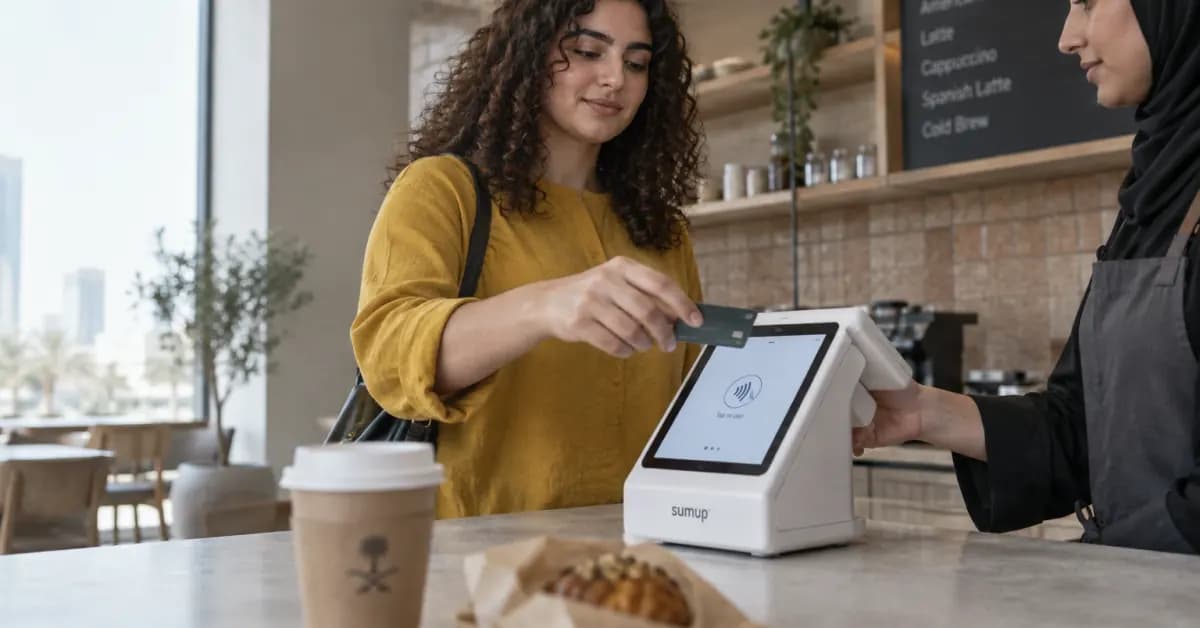
Saudi restaurant spending reached SAR 1.89 billion in point-of-sale transactions during the week ending November 7, 2026, according to data from the Saudi Central Bank. The figure reflects sustained consumer activity in the hospitality sector across Saudi Arabia, even as operators face mounting commercial competition.
The rapid expansion of dining concepts has introduced tighter operating margins for food and beverage businesses in urban centres. Consequently, businesses operating in the digital economy must balance footfall against rising operational expenses.
Operational Pressures Facing Dining Operators
At the 2026 Fast Food & Cafe Convention held in Riyadh, margin pressure emerged as the leading operational hurdle for dining establishments. Specifically, 34% of 419 food and beverage professionals surveyed identified shrinking margins as their primary operational issue, ranking ahead of staffing constraints and shifting diner habits.
Meanwhile, commercial hubs continue to see heavy development. Data published by The Saudi Food Show indicates that more than 434 restaurants and cafés operate across 28 lifestyle retail developments in Riyadh. Food and beverage operators account for 76% of tenants in these developments, which maintain an average occupancy rate of 96%.
Alternative Financing Models in the Dining Sector
To address liquidity needs, platform provider SPICE offers a Shariah-compliant funding framework called Dining Capital. The non-dilutive structure relies on pre-purchased future dining credits, supplying immediate capital for marketing, hiring, technology upgrades, and store expansion.
“Strong demand is only part of the equation for restaurants. The bigger challenge is turning that demand into profitable, repeat business.”
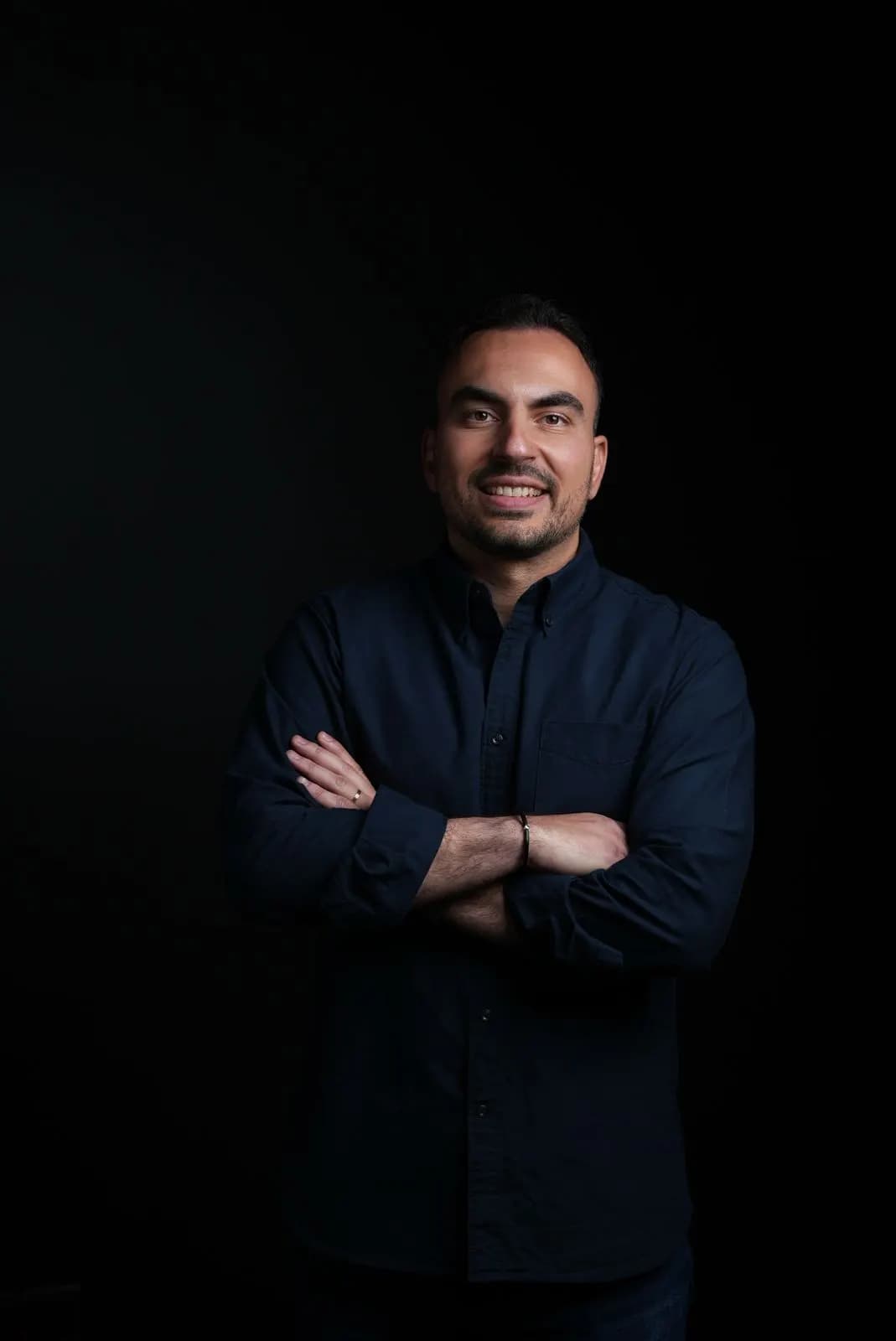
Wadi Hawi, COO and Co-Founder, SPICE
The company, established in 2025 by entrepreneurs Zeid Husban, Wadi Hawi, and Yousef Sawalha, integrates credit purchases with consumer discovery tools on its mobile applications. The founders previously built ifood.jo and POSRocket, which were acquired by Delivery Hero and Foodics respectively.
Driving Factors Behind Saudi Restaurant Spending
Occasion-driven traffic remains a key driver of Saudi restaurant spending throughout the calendar year. During the 2026 Saudi National Day week, dining transactions rose to SAR 1.76 billion, representing 40% of the total week-on-week increase in point-of-sale volume across the Kingdom.
Moreover, hospitality platforms are deploying cashback mechanisms to secure repeat visits. The SPICE consumer application provides diners with 20% cashback, encouraging diners to return to partner venues while providing operators with measurable diner metrics.
Market Outlook and Expansion Plans
Operators across the GCC region are tracking how consumer habits influence overall Saudi restaurant spending across major cities. Establishing predictable cash flows remains essential as commercial rents and density in lifestyle destinations remain elevated.
As retail spaces in Riyadh reach capacity, restaurant brands will increasingly depend on performance tracking and working capital solutions to preserve margins.