PH1 PRL – Nissan Counterfeit Parts Awareness 30.9.2026
Nissan Saudi Arabia is expanding its technical training initiative to protect drivers from the risks of counterfeit parts across the Kingdom. The carmaker announced in Jeddah that it is extending its aftersales workshops to independent mechanics and spare parts retailers operating outside its authorized dealer network.
Expansion of Counterfeit Parts Training Programs
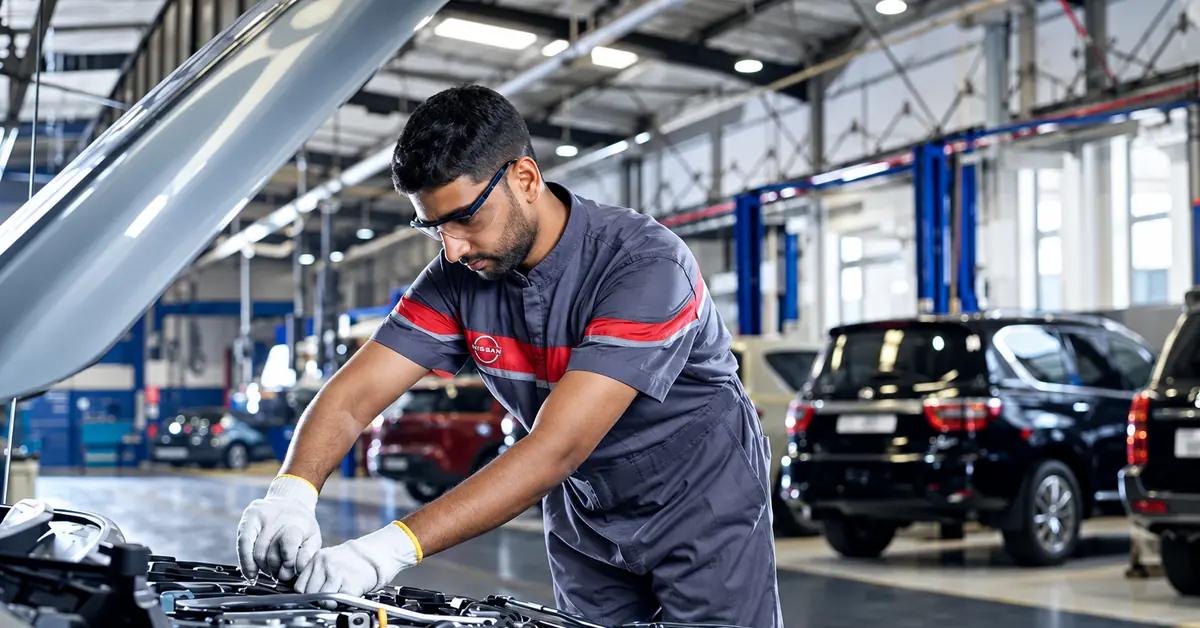
The manufacturer first established the program in 2023 to provide specialized training for aftermarket professionals. Specifically, the curriculum teaches technicians to inspect packaging, assess component build quality, and identify suspect inventory before items reach vehicle owners.
Technical sessions focus on practical identification methods for routine service components. Market professionals learn inspection protocols that protect vehicle systems within the wider automotive sector.
Enforcement Results and Confiscated Components
Coordinated market monitoring has removed tens of thousands of illicit items from distribution channels across Saudi Arabia. Official records show that authorities confiscated 25,765 unauthorized components across six separate enforcement actions between May 2025 and September 2026.
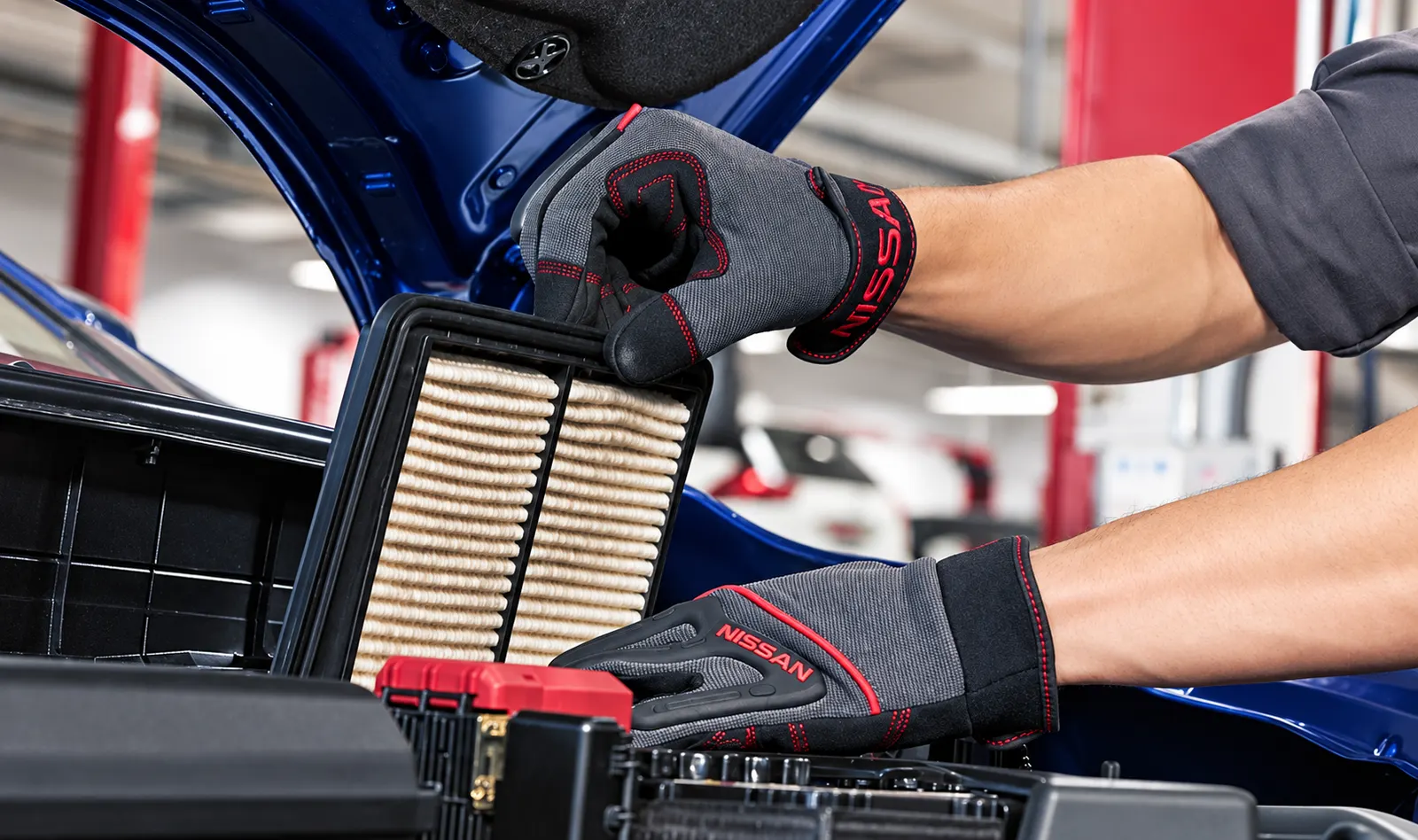
Furthermore, the seized inventory consisted largely of high-turnover service items, including air filters, oil filters, and spark plugs. Using substandard components can lead to engine damage, reduced efficiency, and sudden mechanical failures that increase overall repair costs for drivers.
“Our responsibility to customers extends beyond vehicle delivery. By sharing our expertise with professionals across the spare parts market, we are strengthening awareness and helping them identify suspected counterfeit parts before they reach customers.”
Adib Takieddine, Managing Director of Nissan Saudi Arabia
Market Monitoring and Mystery Shopping Operations
To maintain retail compliance, the company works directly with regulatory bodies and conducts routine mystery shopping inspections across local markets. These initiatives help identify non-genuine stock and disrupt illegal supply chains before products enter consumer vehicles.
These operational checks also safeguard regional trade channels within the local economy, preventing unlawful trade practices. Consequently, continuous market oversight remains a key priority for corporate field inspectors.
“Customer safety and the performance of every Nissan vehicle as designed are central to our aftersales commitment. We will remain vigilant, strengthen our market monitoring and mystery shopping activities, and work with the relevant authorities to identify suspected counterfeit parts early and disrupt their distribution.”
Kamal Al Hajj, Aftersales Director of Nissan Saudi Arabia
Consumer Guidance and Authorized Channels
The company advises motorists to verify product origins and obtain replacement components exclusively through authorized distribution channels. Independent workshops receive ongoing education to verify inventory before performing routine maintenance.
Vehicle owners should avoid installing unverified components to preserve vehicle warranties, operational safety, and long-term mechanical reliability.