
Etihad Salam Telecom Company has reduced its IP network power consumption by 5 to 6 percent through an artificial intelligence trial conducted with Huawei in Saudi Arabia. The validation took place on a live production network without causing service degradation for subscribers.
Trial Results and Validation Process
The technical evaluation was carried out on a Huawei NE8000 X8 router within the operational network. Engineers measured power draw continuously over a 39-hour testing window at 15-minute intervals to establish performance baselines.
During the initial phase, the software studied traffic patterns across the network node. The system subsequently applied dynamic adjustments during the live second phase to match power draw with actual data traffic, ensuring service quality remained completely stable.
Addressing IP Network Power Consumption Demands
Traditional core network routers operate continuously throughout the day, drawing comparable electricity volumes during off-peak hours, such as 3 a.m., as they do during peak traffic periods. Consequently, adjusting power dynamically eliminates wasted energy capacity on inactive network elements.
The software update required no hardware modifications to the existing infrastructure. Furthermore, lowering electricity usage on core routers reduces thermal emissions, which directly decreases facility cooling requirements across the network site.
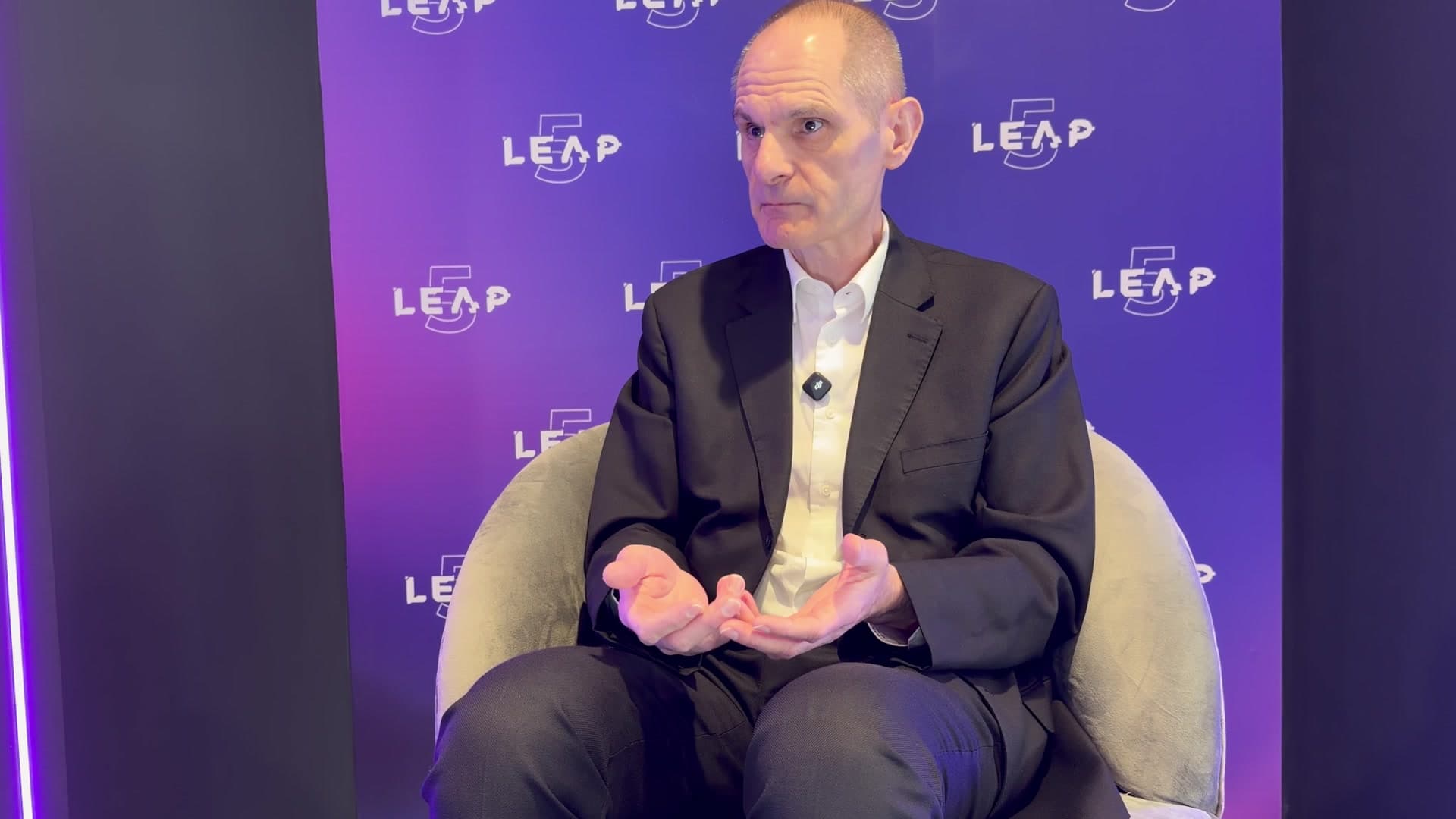
“When we signed with Huawei at LEAP, we committed to testing how AI could make our network more efficient. This result shows it can, on a live network, without compromising the service our customers rely on.”
Abdullatif Alsaeed, Chief Technology Officer at Salam
Collaboration Under the LEAP 2026 Agreement
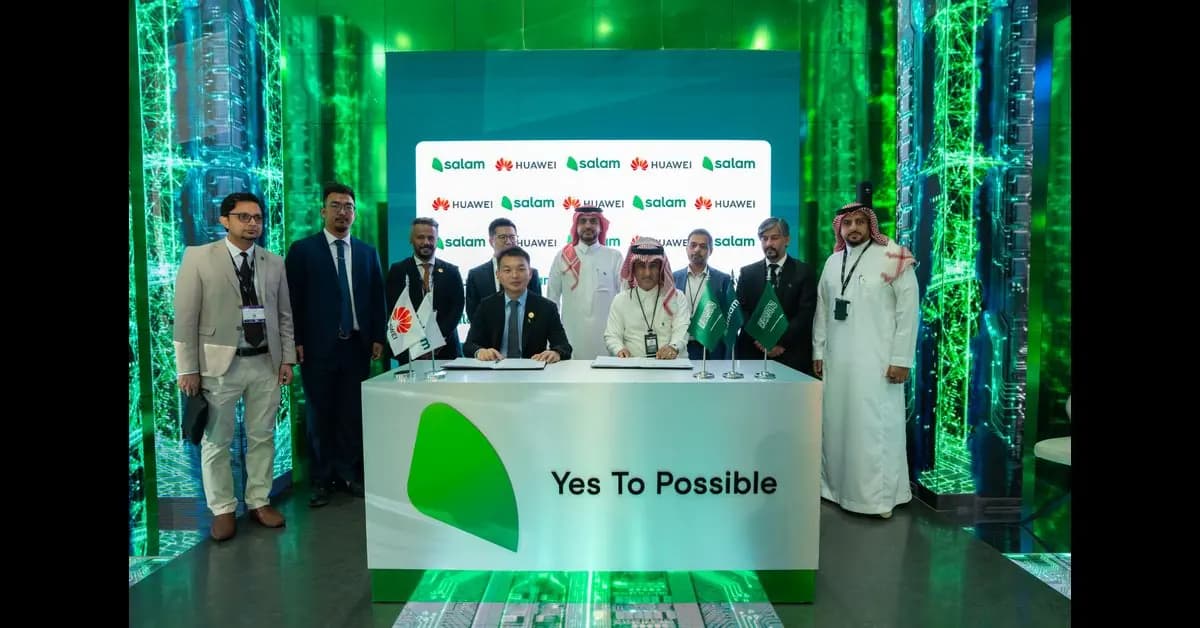
The test represents one of the initial milestones resulting from a memorandum of understanding signed at LEAP 2026. Both organizations agreed during the event to conduct proofs of concept focused on automated operations and energy optimization across the Kingdom’s telecom infrastructure.
In addition, the joint roadmap evaluates service level agreements for enterprise connectivity. Modern artificial intelligence platforms allow network operators to maintain high availability while reducing energy expenditures across regional operational hubs.
“Salam has shown how AI can turn energy efficiency into an everyday network capability. We are proud to support Salam in bringing this technology to Saudi Arabia’s telecom industry and look forward to building on these results together.”
Steven Shen, CTO of Huawei Saudi Arabia
Alignment With National Digital Goals
The deployment aligns directly with objectives outlined in Saudi Vision 2030, which promotes sustainable operational standards for the domestic economy. The companies confirmed that no service alarms occurred during testing, proving that IP network power consumption can decrease without affecting end-user performance.