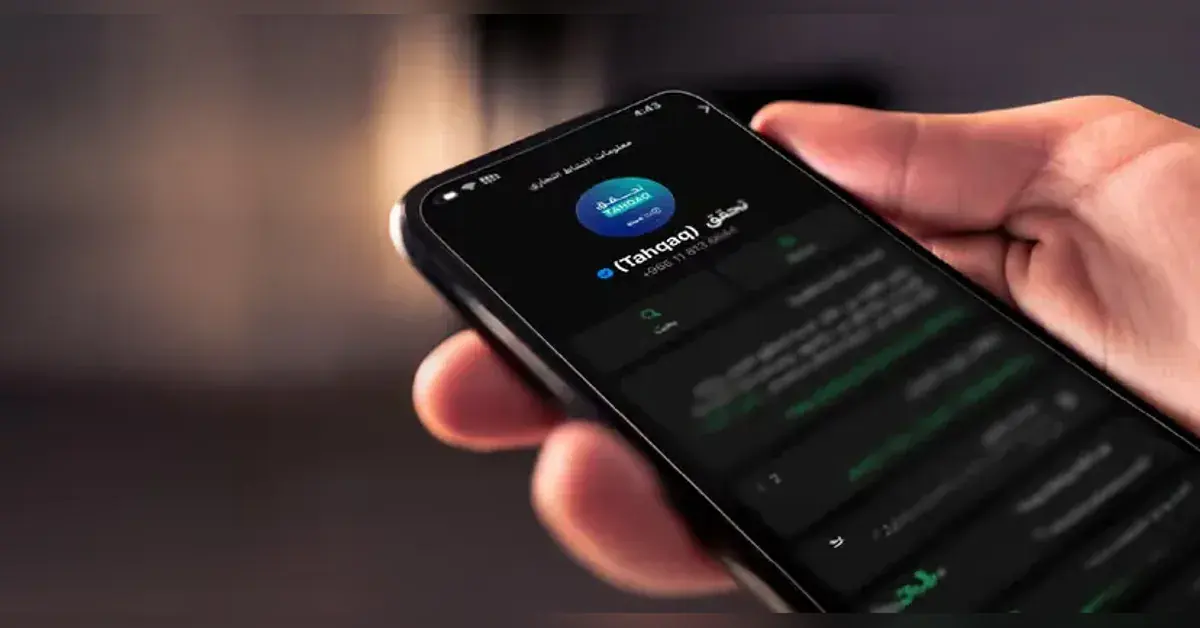
The Tahqaq service has introduced two new scanning tools designed to inspect digital files and quick response codes for malicious content. According to a report by NCA (English), the National Cybersecurity Authority launched the tools during Global Cybersecurity Awareness Month to help individuals identify suspicious items before interacting with them.
Expansion of the Tahqaq Service
The Tahqaq service previously operated as a dedicated link-checking mechanism. With the latest update, users can now analyze uploaded files alongside QR codes to verify their integrity and authenticity. These additions address common attack vectors where malicious actors distribute disguised files or deceptive barcodes to gain unauthorized access to personal devices.
Furthermore, digital threats increasingly target everyday communications. By making digital inspection tools accessible to the public, the initiative aims to reduce data breaches and unauthorized system intrusions across diverse sectors, including consumer mobile devices and corporate networks.
Access Channels and Technical Architecture
Users can submit items for evaluation through two primary digital interfaces. Specifically, the National Cybersecurity Authority provides access through a dedicated WhatsApp account using the phone number +966118136644. In addition, the public can reach the scanning features directly through the official Haseen portal online.
The tool operates as part of the Haseen national portal, which delivers centralized protective services for the Kingdom. Technical infrastructure and systems integration are managed in partnership with the Saudi Information Technology Company, serving as the technical execution arm of the regulatory authority.
Role in National Awareness Programs
The release of these features coincides with nationwide campaigns during October aimed at raising user vigilance against cyber fraud. Threat actors routinely embed altered destinations into visual barcodes displayed in physical venues and online messages, making independent verification critical.
Consequently, public sector entities in telecom and public administration encourage regular inspection of unverified documents before opening attachments. Promoting routine verification establishes defensive digital habits among residents navigating varied web services and downloadable content.
Strengthening Daily Digital Defense
Individuals frequently handle documents and scan interactive barcodes during routine transactions. Providing real-time verification allows users to confirm document safety without needing specialized technical software on their devices.
Moreover, the National Cybersecurity Authority continues expanding capabilities within the Haseen platform. The deployment of direct inspection mechanisms ensures the Tahqaq service remains responsive to shifting threat patterns in consumer technology and enterprise operations.